🧬 LL‑37 Peptide
High‑Purity Antimicrobial Peptide for Innate Immunity & Cellular Signaling Research (Canada)
LL‑37 is a synthetic research peptide derived from the human cathelicidin antimicrobial peptide family, widely studied in laboratory settings for its role in innate immune responses, host‑defense mechanisms, and cell‑signaling pathways. It is commonly referenced in experimental models involving peptide–membrane interactions, inflammatory signaling pathways, and microbial response systems.
Supplied by BlueNexLabs, LL‑37 is provided as a high‑purity, lyophilized research peptide with COA‑verified analytical consistency and audit‑safe Research‑Use‑Only (RUO) labeling, supporting advanced experimental workflows across Canadian research laboratories.
🔬 Overview of LL‑37 in Research Settings
LL‑37 is frequently utilized in controlled laboratory environments to explore peptide‑mediated signaling and host‑defense mechanisms.
In research settings, LL‑37 is commonly referenced in studies examining:
Innate immune response signaling pathways
Antimicrobial peptide interactions with membranes
Cellular signaling modulation and pathway activation
Inflammatory response models and signaling cascades
Host–pathogen interaction frameworks
Its broad signaling profile supports multi-system analysis in controlled experimental designs.
🧪 What Is LL‑37?
LL‑37 is a synthetic analog of a naturally occurring human antimicrobial peptide, designed for laboratory studies involving:
Innate immune system signaling
Peptide–cell membrane interactions
Cellular communication and signaling pathways
Its structure enables researchers to investigate peptide function within complex biological systems under controlled conditions.
In research contexts, LL‑37 supports studies involving:
Signal transduction and pathway activation
Peptide‑mediated cellular responses
Interaction between peptides and microbial structures
Regulatory signaling within immune‑associated pathways
📡 Mechanistic Research Overview (Audit‑Safe)
🔵 Innate Immune Signaling
Referenced in studies involving host‑defense peptide activity
Used in models examining immune‑associated signaling pathways
Supports investigation of intracellular signaling cascades
🟠 Peptide–Membrane Interaction Studies
Applied in research examining peptide binding to lipid membranes
Supports structural and functional interaction modeling
Used in membrane‑permeability and signaling studies
🟣 Inflammatory Signaling Models
Examined in studies involving pathway‑level signaling responses
Supports analysis of signaling modulation mechanisms
Used in comparative inflammatory pathway models
🔗 Host–Pathogen Interaction Research
Enables investigation of peptide responses in microbial systems
Supports modeling of interaction dynamics
Used in studies of peptide‑mediated signaling behavior
🧱 Molecular & Chemical Characteristics
Type: Synthetic antimicrobial peptide
Form: Lyophilized powder
Purity: ≥99%
Identity Verification: Mass Spectrometry (MS)
Purity Analysis: HPLC / UPLC
Structural & Biochemical Notes
Derived from human cathelicidin peptide sequence
Demonstrates consistent analytical performance in laboratory workflows
Suitable for signaling and membrane interaction studies
Sensitive to degradation depending on storage and handling conditions
🔬 Research Focus Areas
LL‑37 is widely referenced in laboratory research involving:
Innate immune signaling pathway analysis
Peptide‑membrane interaction studies
Host–pathogen interaction modeling
Inflammatory signaling pathway research
Structure–function analysis of antimicrobial peptides
Its versatility supports a wide range of controlled experimental applications in regulated research environments.
❄️ Storage & Handling Guidelines
Store lyophilized peptide at –20 °C, protected from light and moisture
Reconstituted solutions: 2–8 °C, short‑term research use only
Avoid prolonged exposure to room temperature after reconstitution
Avoid repeated freeze–thaw cycles; aliquot when necessary
Use sterile preparation techniques and low‑binding labware
📄 Certificate of Analysis & Documentation
Each batch of LL‑37 supplied by BlueNexLabs has:
Mass Spectrometry identity confirmation
HPLC / UPLC purity profile
Solvent system disclosure
Research‑Use‑Only (RUO) designation
🔗 Learn About Our Testing Standards
🔗 Explore the BlueNexLabs Research Peptide Catalog
🇨🇦 Supplied for Canadian Research Laboratories
BlueNexLabs supplies LL‑37 research peptide to laboratories across Vancouver, Toronto, Montreal, Calgary, Edmonton, Ottawa, and throughout Canada.
Why Researchers Choose BlueNexLabs
🇨🇦 Canada‑wide domestic shipping
🧪 Audit‑safe RUO labeling
⚡ Fast fulfillment & responsive support
🔬 Research‑focused peptide catalog
⚠️ Compliance Notice
This product is supplied strictly for laboratory research use only (RUO).
Not for human or veterinary use.
No medical, therapeutic, antimicrobial, diagnostic, or performance‑related claims are made or implied.
🧬 LL‑37 Peptide
High‑Purity Antimicrobial Peptide for Innate Immunity & Cellular Signaling Research (Canada)
LL‑37 is a synthetic research peptide derived from the human cathelicidin antimicrobial peptide family, widely studied in laboratory settings for its role in innate immune responses, host‑defense mechanisms, and cell‑signaling pathways. It is commonly referenced in experimental models involving peptide–membrane interactions, inflammatory signaling pathways, and microbial response systems.
Supplied by BlueNexLabs, LL‑37 is provided as a high‑purity, lyophilized research peptide with COA‑verified analytical consistency and audit‑safe Research‑Use‑Only (RUO) labeling, supporting advanced experimental workflows across Canadian research laboratories.
🔬 Overview of LL‑37 in Research Settings
LL‑37 is frequently utilized in controlled laboratory environments to explore peptide‑mediated signaling and host‑defense mechanisms.
In research settings, LL‑37 is commonly referenced in studies examining:
Innate immune response signaling pathways
Antimicrobial peptide interactions with membranes
Cellular signaling modulation and pathway activation
Inflammatory response models and signaling cascades
Host–pathogen interaction frameworks
Its broad signaling profile supports multi-system analysis in controlled experimental designs.
🧪 What Is LL‑37?
LL‑37 is a synthetic analog of a naturally occurring human antimicrobial peptide, designed for laboratory studies involving:
Innate immune system signaling
Peptide–cell membrane interactions
Cellular communication and signaling pathways
Its structure enables researchers to investigate peptide function within complex biological systems under controlled conditions.
In research contexts, LL‑37 supports studies involving:
Signal transduction and pathway activation
Peptide‑mediated cellular responses
Interaction between peptides and microbial structures
Regulatory signaling within immune‑associated pathways
📡 Mechanistic Research Overview (Audit‑Safe)
🔵 Innate Immune Signaling
Referenced in studies involving host‑defense peptide activity
Used in models examining immune‑associated signaling pathways
Supports investigation of intracellular signaling cascades
🟠 Peptide–Membrane Interaction Studies
Applied in research examining peptide binding to lipid membranes
Supports structural and functional interaction modeling
Used in membrane‑permeability and signaling studies
🟣 Inflammatory Signaling Models
Examined in studies involving pathway‑level signaling responses
Supports analysis of signaling modulation mechanisms
Used in comparative inflammatory pathway models
🔗 Host–Pathogen Interaction Research
Enables investigation of peptide responses in microbial systems
Supports modeling of interaction dynamics
Used in studies of peptide‑mediated signaling behavior
🧱 Molecular & Chemical Characteristics
Type: Synthetic antimicrobial peptide
Form: Lyophilized powder
Purity: ≥99%
Identity Verification: Mass Spectrometry (MS)
Purity Analysis: HPLC / UPLC
Structural & Biochemical Notes
Derived from human cathelicidin peptide sequence
Demonstrates consistent analytical performance in laboratory workflows
Suitable for signaling and membrane interaction studies
Sensitive to degradation depending on storage and handling conditions
🔬 Research Focus Areas
LL‑37 is widely referenced in laboratory research involving:
Innate immune signaling pathway analysis
Peptide‑membrane interaction studies
Host–pathogen interaction modeling
Inflammatory signaling pathway research
Structure–function analysis of antimicrobial peptides
Its versatility supports a wide range of controlled experimental applications in regulated research environments.
❄️ Storage & Handling Guidelines
Store lyophilized peptide at –20 °C, protected from light and moisture
Reconstituted solutions: 2–8 °C, short‑term research use only
Avoid prolonged exposure to room temperature after reconstitution
Avoid repeated freeze–thaw cycles; aliquot when necessary
Use sterile preparation techniques and low‑binding labware
📄 Certificate of Analysis & Documentation
Each batch of LL‑37 supplied by BlueNexLabs has:
Mass Spectrometry identity confirmation
HPLC / UPLC purity profile
Solvent system disclosure
Research‑Use‑Only (RUO) designation
🔗 Learn About Our Testing Standards
🔗 Explore the BlueNexLabs Research Peptide Catalog
🇨🇦 Supplied for Canadian Research Laboratories
BlueNexLabs supplies LL‑37 research peptide to laboratories across Vancouver, Toronto, Montreal, Calgary, Edmonton, Ottawa, and throughout Canada.
Why Researchers Choose BlueNexLabs
🇨🇦 Canada‑wide domestic shipping
🧪 Audit‑safe RUO labeling
⚡ Fast fulfillment & responsive support
🔬 Research‑focused peptide catalog
⚠️ Compliance Notice
This product is supplied strictly for laboratory research use only (RUO).
Not for human or veterinary use.
No medical, therapeutic, antimicrobial, diagnostic, or performance‑related claims are made or implied.
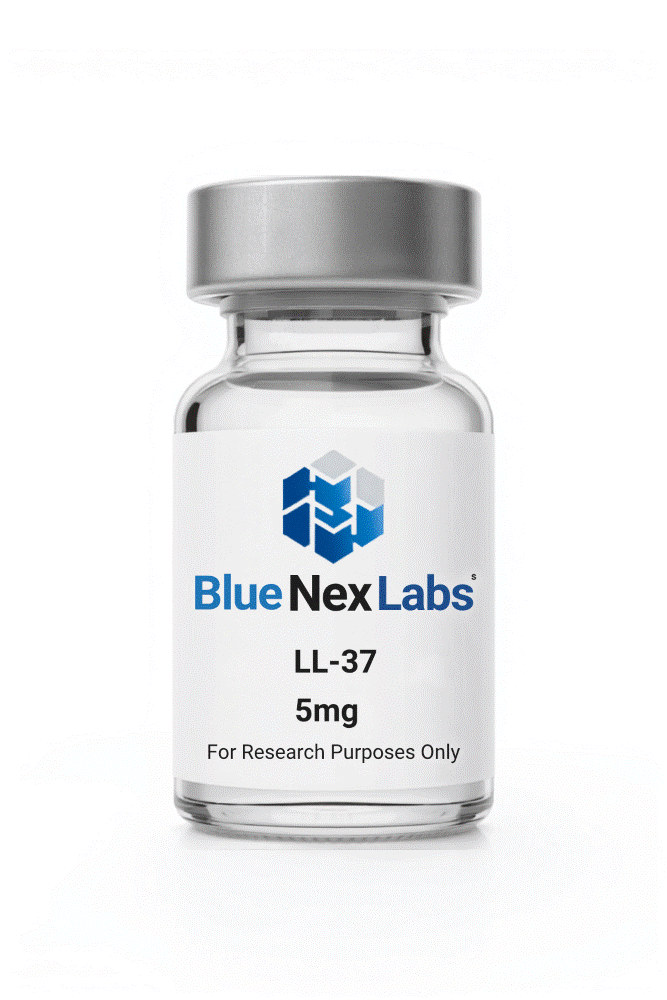 Image 1 of 1