Canadian Peptides | Research Knowledge Hub
The BlueNexLabs Research Knowledge Hub provides educational information on research peptides, laboratory handling practices, molecular characteristics, and scientific study contexts. All information is provided for educational and laboratory research purposes only and does not constitute medical advice.







## Research Categories
• Signaling Peptides
• Structural Peptides
From Amino Acids to Lyophilized Peptide Vials: Understanding How Modern Peptides Are Developed and Manufactured
Peptides are among the most sophisticated compounds produced for modern scientific research, yet few researchers understand the complex manufacturing processes behind them. Before a peptide appears as a lyophilized powder in a laboratory vial, it begins as highly purified amino acid building blocks that undergo extensive sourcing, qualification, synthesis, purification, and analytical testing. From solid-phase peptide synthesis (SPPS) and HPLC purification to mass spectrometry verification, amino acid analysis, residual solvent testing, and microbial quality control, every stage plays an important role in determining final product quality. This comprehensive guide explores how peptides are manufactured, how raw materials are produced, what quality standards differentiate manufacturers, and how finished peptides are transformed into stable lyophilized products for laboratory research.
Why Do Peptide Names End in “-tide”?
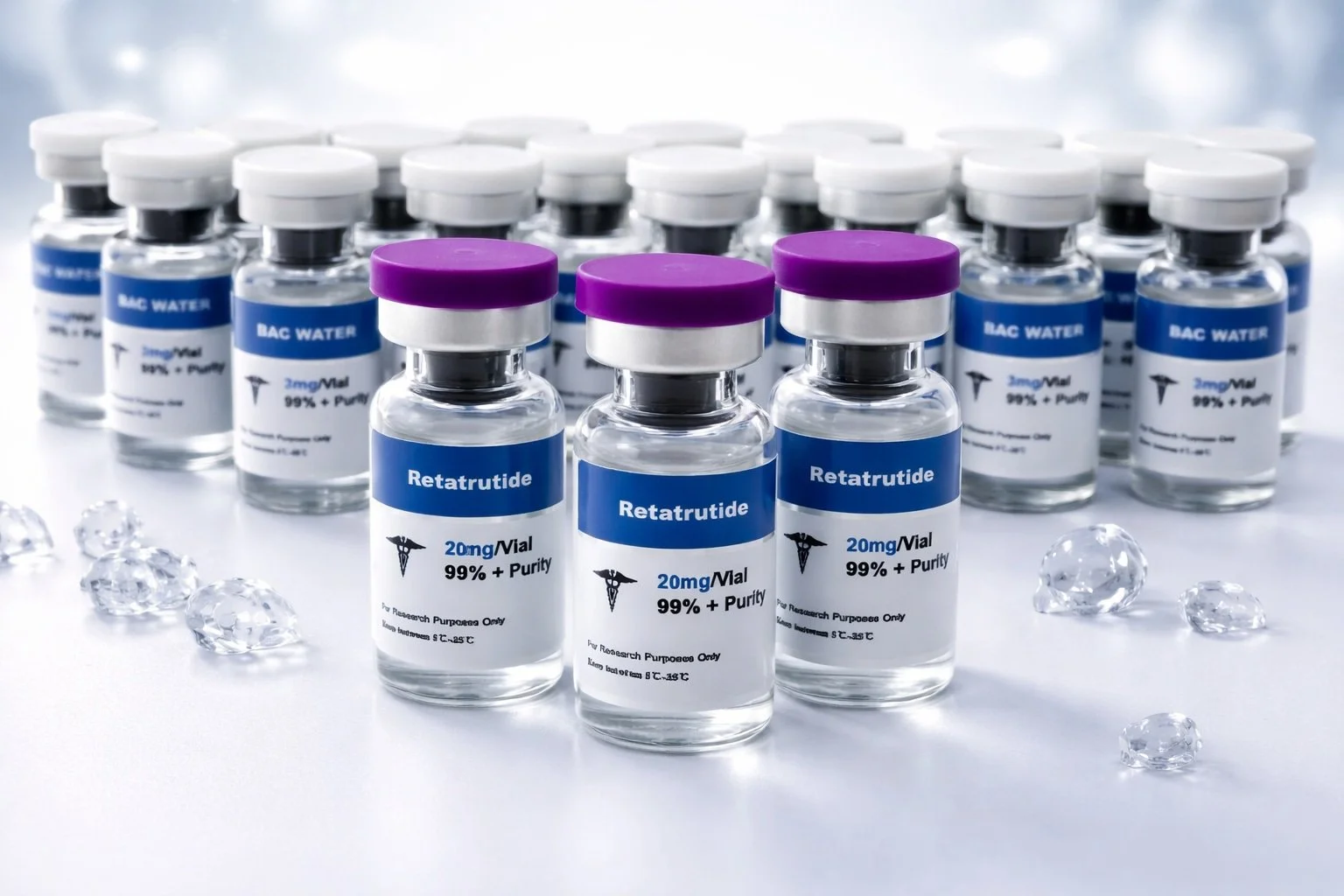
Many peptide names end in "-tide" because the suffix originates from the word peptide and is commonly used to identify peptide-based compounds. Examples include Semaglutide, Retatrutide, Tirzepatide, and Liraglutide. Understanding peptide naming conventions helps researchers recognize related peptide families, biological targets, and scientific classifications.
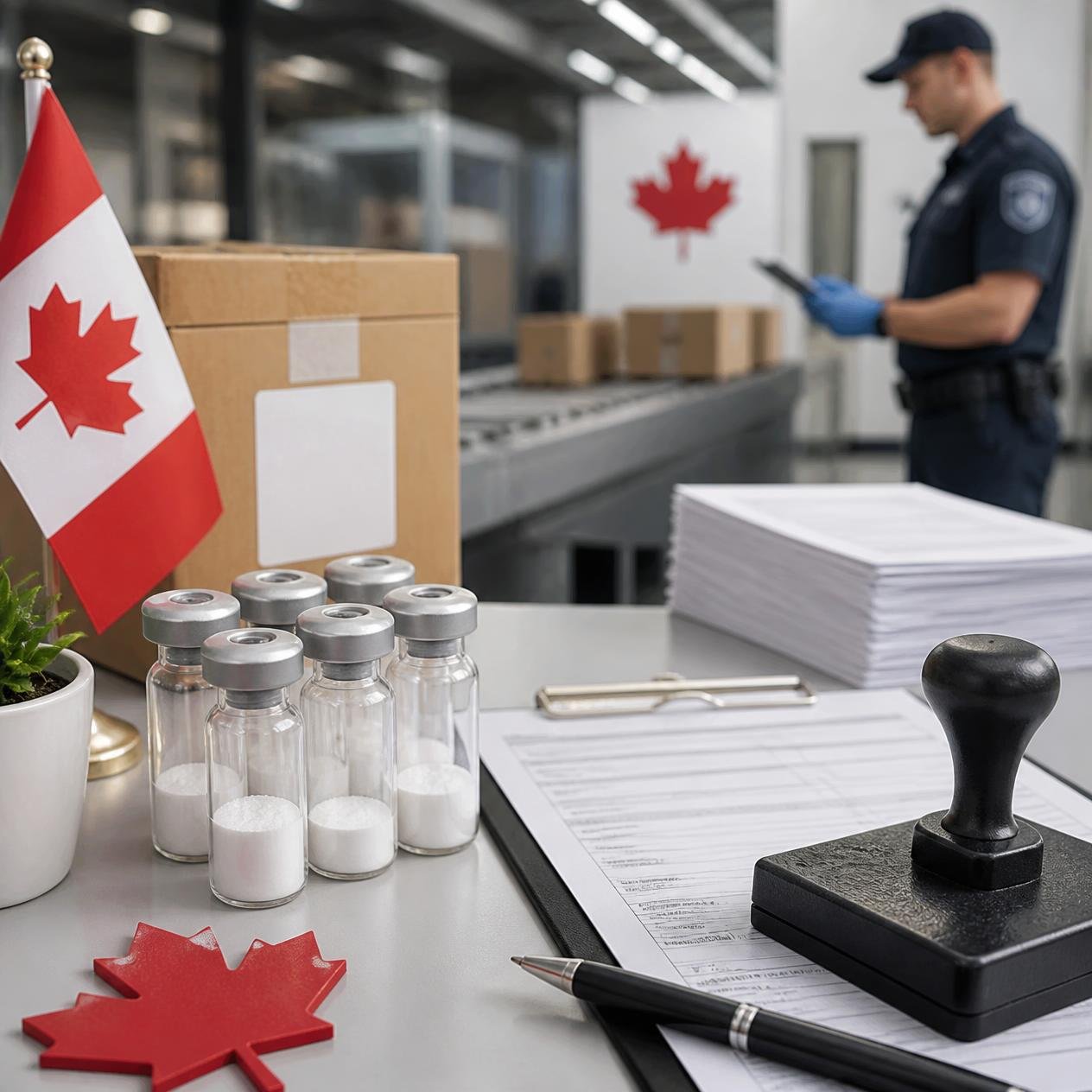
Are Peptides Legal to Buy and Use in Canada? Customs clearance process explained.
Peptide-based prescription medicines can be legal in Canada when authorized by Health Canada and obtained through regulated healthcare channels. Research peptides may be sold for legitimate laboratory purposes, but they should not be marketed, sold, or used as unauthorized drugs for human consumption. Online availability does not equal Health Canada approval.
When Were Peptides Discovered and By Who? The History of Peptide Science from 1901 to Modern Research
Peptides were first synthesized in 1901 by Emil Fischer and Ernest Fourneau, but peptide science has grown far beyond its origins. Explore the history of peptide discovery, insulin, GLP-1, Russian peptide research, Semax, Selank, MOTS-c, glutathione, NAD+, and modern research peptides.
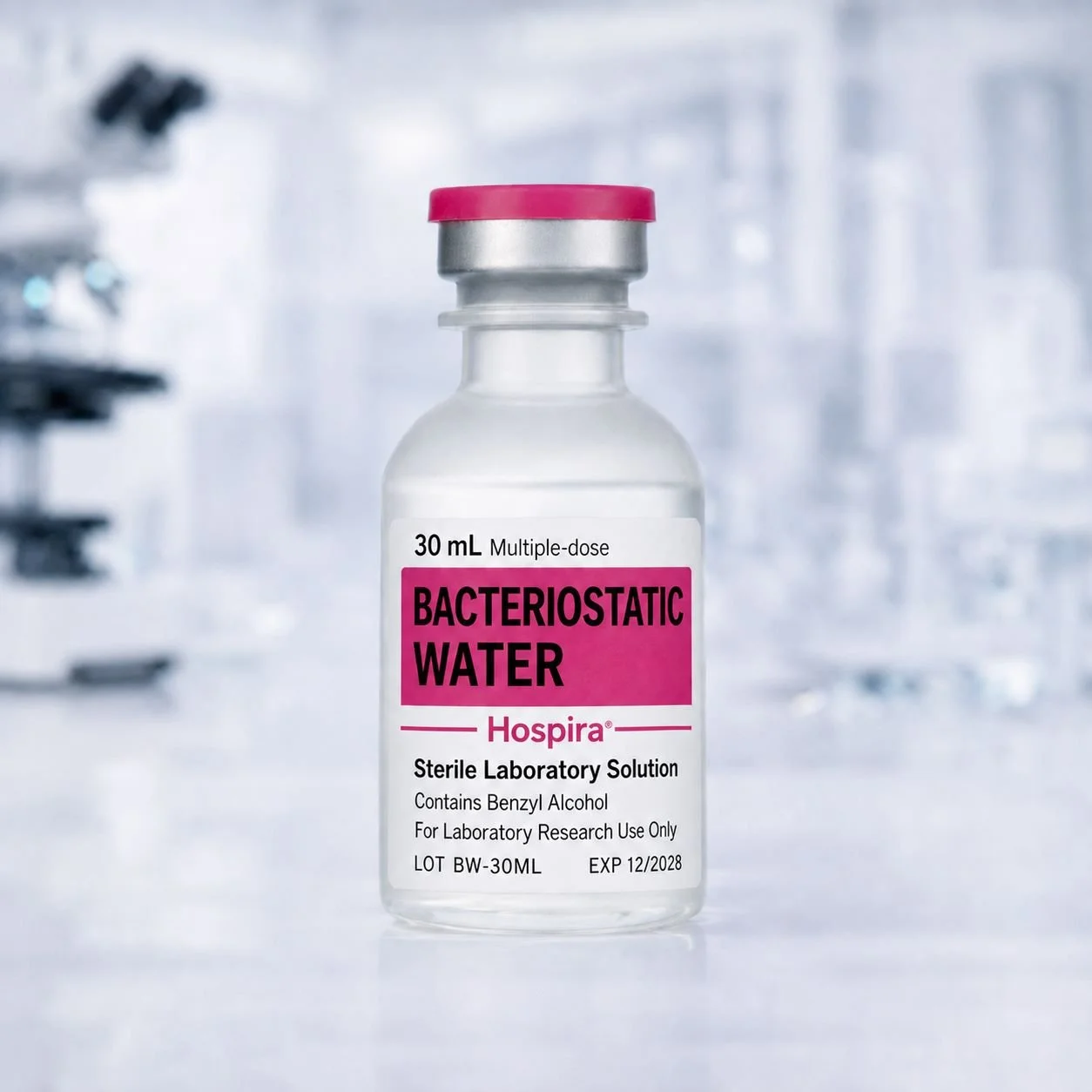
Why Hospira® Bacteriostatic Water is the golden standard used in Peptide Research: Understanding pH, Stability, and Reconstitution Considerations
The choice of reconstitution solution can play a significant role in peptide research outcomes. Hospira® Bacteriostatic Water is commonly selected due to its sterility, preservative system, and consistency; however, researchers should also understand how pH may influence peptide stability. Factors such as deamidation, oxidation, aggregation, and hydrolysis can affect peptide integrity over time. This guide explores how BAC water pH interacts with common research peptides, outlines potential stability challenges, and provides practical storage and handling considerations to support reliable laboratory research.
Muscle Growth Peptides: A Research-Only Fitness Guide
Discover how muscle growth really works and explore the science behind peptides in fitness research. This educational guide breaks down hypertrophy, recovery, and key peptide categories—while emphasizing compliance, regulatory context, and research-use-only standards. Learn how BlueNexLabs supports transparent, COA-verified peptide research without making unsupported performance claims.
How Do Peptides Work? A Complete Research Guide for Canadian Researchers
How do peptides work, and why are they such an important focus of modern scientific research? Peptides are short chains of amino acids that act as biological messengers, helping cells communicate through highly specific signaling pathways. By binding to receptors on or within cells, peptides can trigger complex cellular responses that researchers use to study metabolism, neurobiology, receptor activity, tissue remodeling, and molecular communication. In this comprehensive guide, BlueNexLabs explores the science behind peptide signaling, how peptide-receptor interactions function, and why research peptides continue to play a critical role in advancing biochemical and molecular research in Canada and around the world.
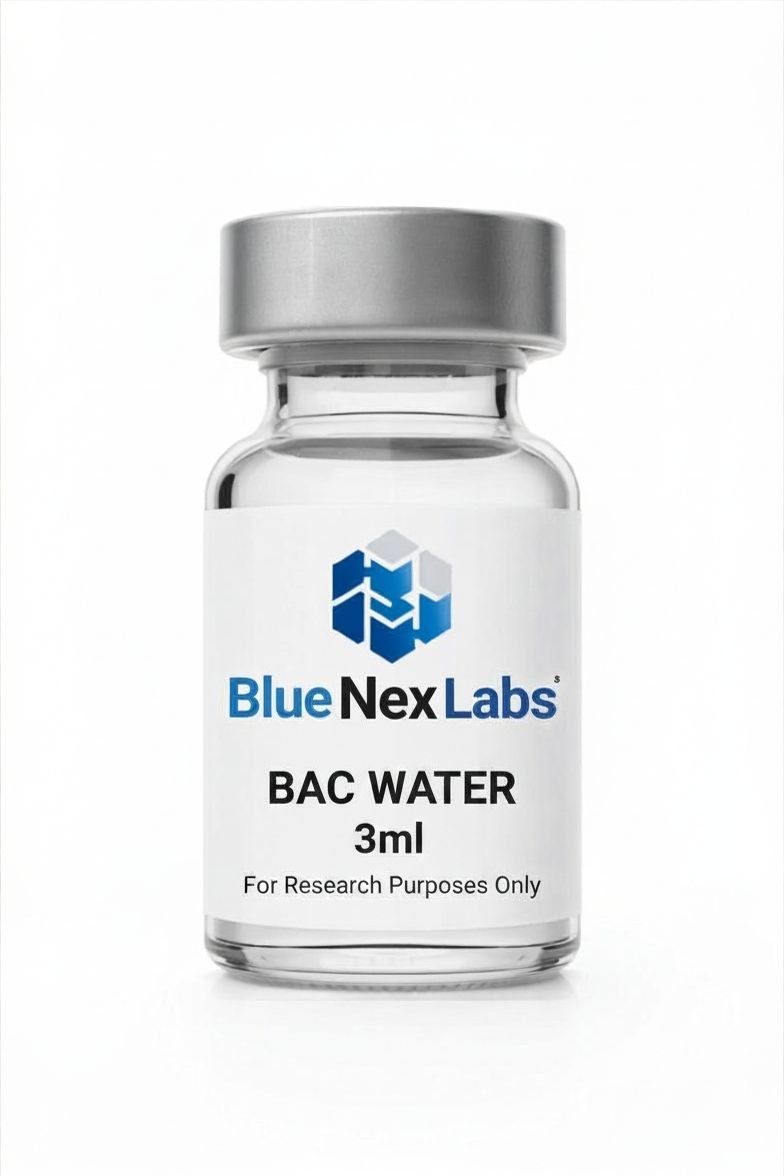
Bacteriostatic Water Storage and Research Quality
Bacteriostatic water is an essential laboratory supply used in a wide range of research applications. Proper storage and handling are critical for maintaining sterility, preserving product quality, and supporting reliable research workflows. In this guide, BlueNexLabs explains what bacteriostatic water is, how it differs from sterile water, and the best storage practices for researchers across Canada, including Vancouver, Toronto, Calgary, Manitoba, Quebec, and other provinces. Learn how to protect bacteriostatic water from temperature extremes, contamination, and improper handling while following research-focused best practices.
Peptide Storage and Handling in Canada: A Practical Guide for Research Quality and Integrity
Proper peptide storage and handling are essential for maintaining sample integrity and supporting reliable research outcomes. Whether you are receiving research peptides in Vancouver, Toronto, Calgary, Montreal, Winnipeg, or anywhere else in Canada, environmental factors such as temperature fluctuations, moisture exposure, light, and repeated freeze-thaw cycles can impact peptide stability over time. This comprehensive guide from BlueNexLabs explores best practices for storing lyophilized peptides, managing reconstituted solutions, receiving shipments during Canada's diverse weather conditions, and implementing laboratory handling procedures designed to help preserve research quality. Learn how proper peptide storage can support consistency, reduce degradation risks, and improve overall research material management.
How to Start a Canadian Peptide Testing Company in 2026: Equipment, Costs, Market Demand, and Future Opportunities
As the Canadian peptide market expands, independent testing laboratories are becoming increasingly important. This guide explores the equipment, costs, regulatory considerations, and market demand for entrepreneurs interested in launching a peptide testing and certification company in Canada.
Peptide Delivery & Bioavailability in 2026: Why It Matters for Canadian Research | BlueNexLabs
Peptide delivery and bioavailability refer to how effectively a peptide remains stable, soluble, and functionally active during research. In 2026, advances such as lipid conjugation, nanoparticle delivery systems, and peptide cyclization are helping researchers improve peptide stability and reduce degradation. For Canadian laboratories using research-use-only (RUO) peptides, proper handling, storage, and sourcing are critical to maintaining experimental accuracy and reproducibility.
Endotoxins in Research Peptides: What Canadian Researchers Need to Know About Testing, Contamination, and Certificates of Analysis
Endotoxins are a hidden but critical factor in peptide quality. Learn what endotoxins are, how they contaminate peptides, and how testing methods like the LAL assay are reported on Certificates of Analysis. A guide for researchers sourcing Canadian peptides from BlueNexLabs.
Why Do Peptides Gel or Clump? (Tesamorelin, Kisspeptin & More) — Causes and How to Prevent It
Why Do Peptides Gel? (Tesamorelin & Kisspeptin Explained)
Some peptides, including Tesamorelin and Kisspeptin, can form a gel-like consistency or clump during reconstitution. This occurs due to their natural tendency to self-associate, especially when solvent is added too quickly, temperatures are too low, or concentrations are too high. While this behavior can seem concerning, it is typically a physical property of the peptide—not a sign of poor quality.
To prevent gelling, it’s important to add solvent slowly, avoid shaking, use room-temperature diluent, and allow enough time for the peptide to dissolve naturally. Proper handling techniques significantly improve solubility and ensure more consistent research outcomes.
GLP-1 Peptide Research in 2026: What Researchers Are Studying and Why It Matters
GLP-1 peptides continue to be one of the most studied areas in metabolic research. Learn how researchers are investigating appetite signaling, glucose regulation, and next-generation peptide development.
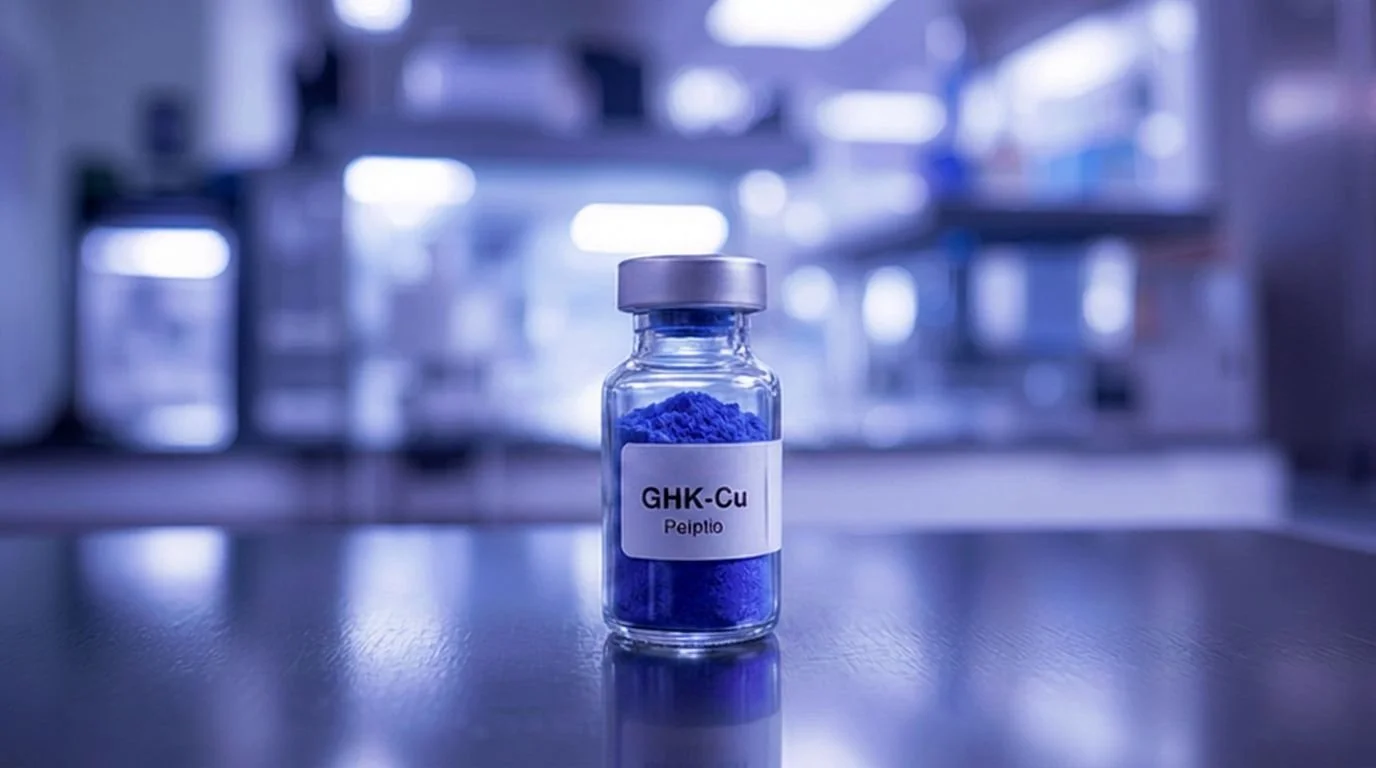
GHK-Cu Peptide in Canada: What It Is, How It Works, and Why It’s Studied for Skin Applications
GHK-Cu peptide is one of the most studied copper-binding compounds in modern research, gaining increasing attention across Canada for its role in skin-related cellular processes. Known for its ability to support collagen activity, gene signaling, and tissue remodeling in laboratory settings, GHK-Cu continues to be a key focus in peptide research. In this article, we explore how GHK-Cu works and why it’s widely studied for skin structure and aging-related applications.
CJC-1295 + Ipamorelin Research: Mechanisms, Synergy, and Laboratory Applications
CJC-1295 and Ipamorelin are frequently studied together because they engage distinct signaling pathways involved in growth hormone regulation. This research guide explores CJC/Ipa mechanisms, peptide synergy, laboratory considerations, and the importance of COA-supported verification.
🚨 Health Canada’s 2024–2025 Crackdown on Peptides in Canada: What It Means for Consumers, Clinics, and the BlueNex Labs
Health Canada has launched a nationwide crackdown on unauthorized peptides, targeting online sales, imports, and unregulated peptide therapies. Discover what this means for Canadians, which peptides are affected, and how BlueNex Labs is leading with compliant, science‑driven innovation.
Why Quality, Purity, and Contamination Matter in Research Peptides
Not all research peptides are created equal. Discover how purity, contamination, and proper testing impact data reliability—and how to source high-quality peptides in Canada with confidence.
Peptide Degradation: Stability, Storage Conditions, and Timelines Explained (Canada Guide)
The Rise of Skin Longevity in Canada: Why Science-Driven Beauty Is the Future
Building an effective skincare routine doesn’t have to be complicated. In this guide, we break down the essential steps to caring for your skin, from cleansing and hydration to understanding which ingredients actually matter. Whether you’re new to skincare or refining your current routine, you’ll learn how to choose products that suit your skin type, avoid common mistakes, and create a consistent approach that supports healthier, more balanced skin over time.
Peptides are among the most sophisticated compounds produced for modern scientific research, yet few researchers understand the complex manufacturing processes behind them. Before a peptide appears as a lyophilized powder in a laboratory vial, it begins as highly purified amino acid building blocks that undergo extensive sourcing, qualification, synthesis, purification, and analytical testing. From solid-phase peptide synthesis (SPPS) and HPLC purification to mass spectrometry verification, amino acid analysis, residual solvent testing, and microbial quality control, every stage plays an important role in determining final product quality. This comprehensive guide explores how peptides are manufactured, how raw materials are produced, what quality standards differentiate manufacturers, and how finished peptides are transformed into stable lyophilized products for laboratory research.