🧬 MOTS‑C Peptide — 10 mg or 50 mg
High‑Purity Mitochondrial‑Derived Research Peptide
MOTS‑C is a research‑grade mitochondrial‑derived peptide (MDP) supplied as a lyophilized powder for laboratory investigations involving mitochondrial biology, cellular signaling networks, metabolic pathway research, and peptide‑mediated communication systems.
Supplied by BlueNexLabs, MOTS‑C is available in 10 mg and 50 mg formats and is accompanied by COA‑verified analytical documentation, batch traceability, and Research Use Only (RUO) labeling for laboratory environments.
🔬 Overview of MOTS‑C in Research
MOTS‑C is encoded within mitochondrial DNA and has been referenced in scientific literature involving:
Mitochondrial signaling pathways
Cellular communication networks
AMPK‑associated signaling research
Peptide‑mediated transcriptional studies
Mitochondrial‑nuclear communication models
Experimental metabolic pathway investigations
Its unique mitochondrial origin makes MOTS‑C a widely referenced peptide in studies examining interactions between mitochondrial and cellular signaling systems.
🧪 What Is MOTS‑C?
MOTS‑C is a synthetic mitochondrial‑derived peptide utilized in laboratory investigations involving:
AMPK‑associated signaling pathways
Mitochondrial communication systems
Cellular signaling networks
Peptide‑mediated transcriptional processes
Experimental metabolic pathway models
Peptide stability and analytical characterization studies
Its mitochondrial origin and distinct molecular characteristics make MOTS‑C relevant to a wide range of experimental research applications.
📡 Research Overview
🔋 AMPK‑Associated Signaling Research
Referenced in published studies involving AMPK‑associated signaling pathways
Utilized in experimental models examining pathway interactions
Investigated within broader cellular signaling research systems
🧬 Mitochondrial Communication Research
Referenced in studies involving mitochondrial‑nuclear communication
Utilized in investigations of signaling pathway interactions
Examined in experimental mitochondrial biology models
⚙️ Cellular Signaling Network Research
Investigated in studies involving peptide‑associated signaling mechanisms
Referenced in cellular communication pathway research
Utilized in comparative peptide research models
🧱 Molecular & Chemical Characteristics
🧪 Product Specifications
Type: Synthetic mitochondrial‑derived peptide
Form: Lyophilized powder
Available Sizes: 10 mg or 50 mg
Source Classification: Mitochondrial‑derived peptide (MDP)
Identity Verification: Mass Spectrometry (MS)
Purity Analysis: HPLC / UPLC
🔬 Analytical Notes
Suitable for controlled laboratory research environments
Compatible with standard analytical characterization workflows
Batch‑specific documentation available for traceability and verification
Storage and handling conditions may influence peptide stability following reconstitution
🎯 Research Areas Referenced in Literature
MOTS‑C has been referenced in scientific literature involving:
Mitochondrial signaling pathways
AMPK‑associated signaling networks
Cellular communication systems
Mitochondrial biology research
Peptide interaction studies
Transcriptional pathway investigations
Comparative mitochondrial peptide research
Experimental metabolic pathway models
❄️ Storage & Handling
Store lyophilized peptide at −20°C
Protect from light, moisture, and excessive temperature fluctuations
Reconstituted material should be stored at 2–8°C
Avoid repeated freeze‑thaw cycles
Utilize sterile laboratory handling procedures
Follow institutional laboratory protocols when handling peptide materials
Each batch of MOTS‑C supplied by BlueNexLabs includes audit‑ready documentation, ensuring traceability and reproducibility:
Mass Spectrometry identity confirmation
HPLC / UPLC purity profile
Solvent system disclosure
Batch traceability
Research‑Use‑Only (RUO) designation
🔗 View Certificate of Analysis (COA)
🔗 Learn About Our Testing Standards
🔗 Explore the BlueNexLabs Research Peptide Catalog
🇨🇦 Supplied for Canadian Research Laboratories
BlueNexLabs supplies MOTS‑C research peptide to laboratories throughout Canada, including:
Why Researchers Choose BlueNexLabs
🇨🇦 Canada‑wide domestic shipping
📄 COA‑verified, traceable batches
🧪 Audit‑safe RUO labeling
⚡ Fast fulfillment & responsive support
⚠️ Compliance Notice
This product is supplied strictly for laboratory research use only (RUO). Not for human or veterinary use.
No medical, therapeutic, metabolic, diagnostic, or performance‑related claims are made or implied.
🧬 MOTS‑C Peptide — 10 mg or 50 mg
High‑Purity Mitochondrial‑Derived Research Peptide
MOTS‑C is a research‑grade mitochondrial‑derived peptide (MDP) supplied as a lyophilized powder for laboratory investigations involving mitochondrial biology, cellular signaling networks, metabolic pathway research, and peptide‑mediated communication systems.
Supplied by BlueNexLabs, MOTS‑C is available in 10 mg and 50 mg formats and is accompanied by COA‑verified analytical documentation, batch traceability, and Research Use Only (RUO) labeling for laboratory environments.
🔬 Overview of MOTS‑C in Research
MOTS‑C is encoded within mitochondrial DNA and has been referenced in scientific literature involving:
Mitochondrial signaling pathways
Cellular communication networks
AMPK‑associated signaling research
Peptide‑mediated transcriptional studies
Mitochondrial‑nuclear communication models
Experimental metabolic pathway investigations
Its unique mitochondrial origin makes MOTS‑C a widely referenced peptide in studies examining interactions between mitochondrial and cellular signaling systems.
🧪 What Is MOTS‑C?
MOTS‑C is a synthetic mitochondrial‑derived peptide utilized in laboratory investigations involving:
AMPK‑associated signaling pathways
Mitochondrial communication systems
Cellular signaling networks
Peptide‑mediated transcriptional processes
Experimental metabolic pathway models
Peptide stability and analytical characterization studies
Its mitochondrial origin and distinct molecular characteristics make MOTS‑C relevant to a wide range of experimental research applications.
📡 Research Overview
🔋 AMPK‑Associated Signaling Research
Referenced in published studies involving AMPK‑associated signaling pathways
Utilized in experimental models examining pathway interactions
Investigated within broader cellular signaling research systems
🧬 Mitochondrial Communication Research
Referenced in studies involving mitochondrial‑nuclear communication
Utilized in investigations of signaling pathway interactions
Examined in experimental mitochondrial biology models
⚙️ Cellular Signaling Network Research
Investigated in studies involving peptide‑associated signaling mechanisms
Referenced in cellular communication pathway research
Utilized in comparative peptide research models
🧱 Molecular & Chemical Characteristics
🧪 Product Specifications
Type: Synthetic mitochondrial‑derived peptide
Form: Lyophilized powder
Available Sizes: 10 mg or 50 mg
Source Classification: Mitochondrial‑derived peptide (MDP)
Identity Verification: Mass Spectrometry (MS)
Purity Analysis: HPLC / UPLC
🔬 Analytical Notes
Suitable for controlled laboratory research environments
Compatible with standard analytical characterization workflows
Batch‑specific documentation available for traceability and verification
Storage and handling conditions may influence peptide stability following reconstitution
🎯 Research Areas Referenced in Literature
MOTS‑C has been referenced in scientific literature involving:
Mitochondrial signaling pathways
AMPK‑associated signaling networks
Cellular communication systems
Mitochondrial biology research
Peptide interaction studies
Transcriptional pathway investigations
Comparative mitochondrial peptide research
Experimental metabolic pathway models
❄️ Storage & Handling
Store lyophilized peptide at −20°C
Protect from light, moisture, and excessive temperature fluctuations
Reconstituted material should be stored at 2–8°C
Avoid repeated freeze‑thaw cycles
Utilize sterile laboratory handling procedures
Follow institutional laboratory protocols when handling peptide materials
Each batch of MOTS‑C supplied by BlueNexLabs includes audit‑ready documentation, ensuring traceability and reproducibility:
Mass Spectrometry identity confirmation
HPLC / UPLC purity profile
Solvent system disclosure
Batch traceability
Research‑Use‑Only (RUO) designation
🔗 View Certificate of Analysis (COA)
🔗 Learn About Our Testing Standards
🔗 Explore the BlueNexLabs Research Peptide Catalog
🇨🇦 Supplied for Canadian Research Laboratories
BlueNexLabs supplies MOTS‑C research peptide to laboratories throughout Canada, including:
Why Researchers Choose BlueNexLabs
🇨🇦 Canada‑wide domestic shipping
📄 COA‑verified, traceable batches
🧪 Audit‑safe RUO labeling
⚡ Fast fulfillment & responsive support
⚠️ Compliance Notice
This product is supplied strictly for laboratory research use only (RUO). Not for human or veterinary use.
No medical, therapeutic, metabolic, diagnostic, or performance‑related claims are made or implied.
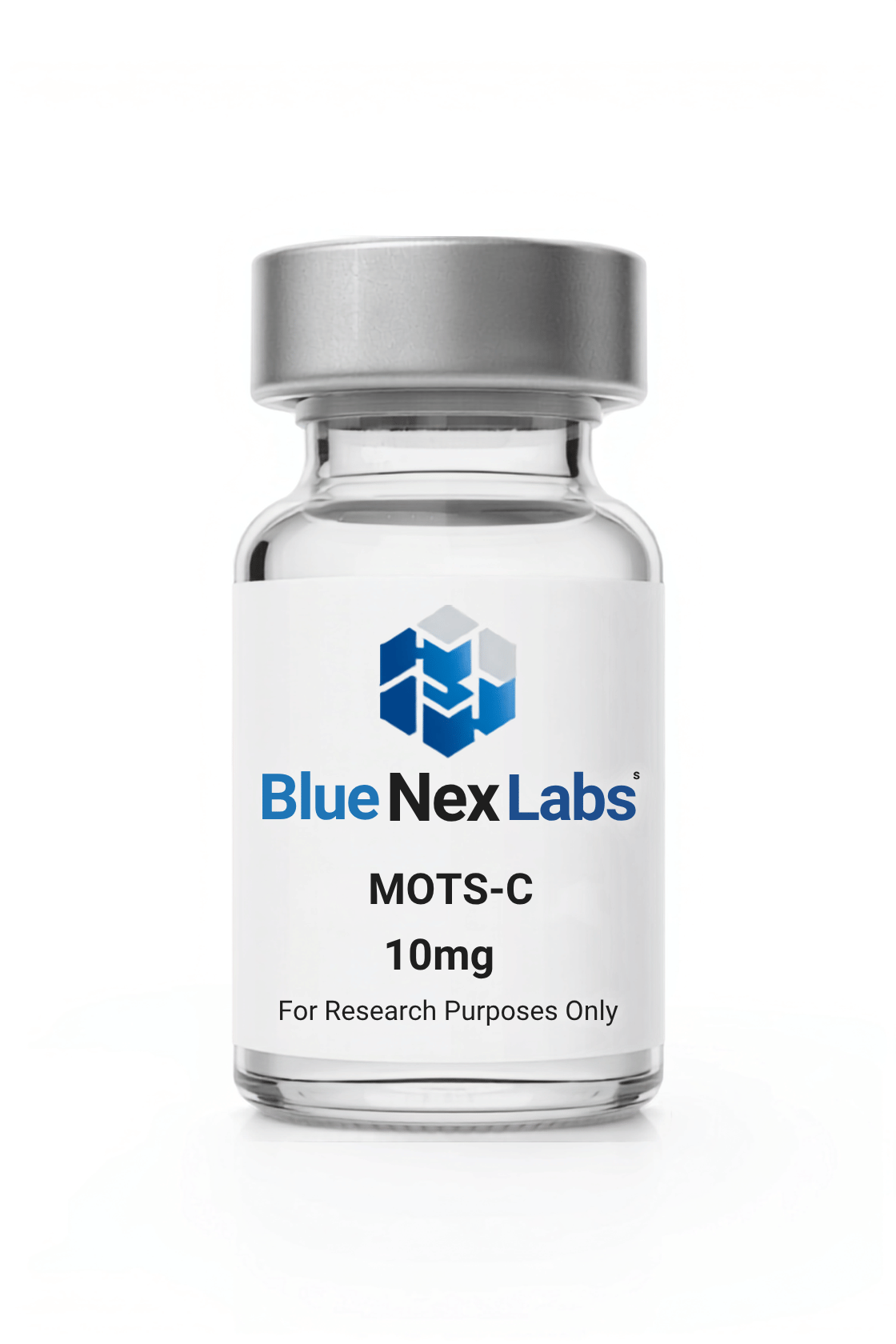 Image 1 of 1