Research · 2026-06-17
Endotoxin testing on peptide COAs
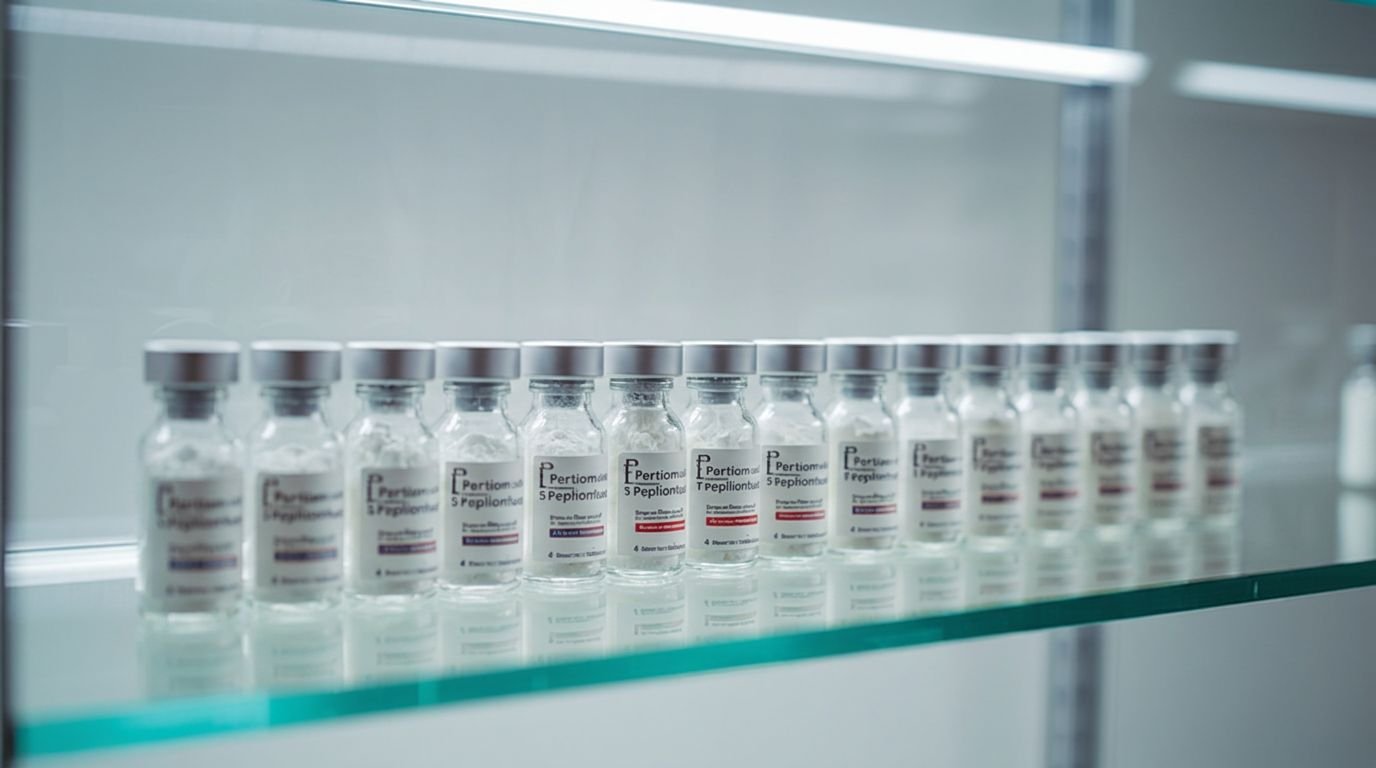
Introduction: Why Endotoxin Testing Matters for Canadian Peptides
As demand for Canadian peptides continues to grow, quality and transparency have become essential for researchers evaluating suppliers. While purity (HPLC %) is often highlighted, it does not tell the full story. Contamination—particularly endotoxins —can significantly impact experimental outcomes.
At BlueNexLabs, emphasis is placed on Certificates of Analysis (COAs) and comprehensive testing, including endotoxin screening, to provide researchers with a clearer understanding of peptide quality.
What Are Endotoxins?
Endotoxins are lipopolysaccharides (LPS) found in the outer membrane of gram-negative bacteria such as E. coli and Salmonella. These molecules are released when bacterial cells break apart or die. Key characteristics of endotoxins: Extremely stable: They resist heat, sterilization, and harsh conditions Biologically active: Even trace amounts can trigger strong cellular responses Invisible to standard tests: They cannot be detected by HPLC or mass spectrometry alone Because endotoxins persist even after bacteria are eliminated, a peptide can appear “clean” but still carry biologically active contamination.
How Endotoxins Enter Peptides
Endotoxin contamination can occur at multiple stages of peptide production and handling. Even well-controlled processes must actively manage these risks. Common sources include:
Water systems used in synthesis or purification
Raw materials with microbial contamination
Laboratory equipment or glassware not fully depyrogenated
Handling during filling and lyophilization processes
Environmental exposure (airborne bacteria, surfaces)
These sources are well-documented in peptide manufacturing environments, where endotoxins can persist on
surfaces and materials due to their resistance to standard sterilization methods. Importantly, sterility does not guarantee endotoxin-free material. A sample can be free of live bacteria but still contain endotoxins.
Why Endotoxins Matter in Research Peptides
For Canadian researchers working with cell culture or sensitive assays, endotoxins represent a major hidden variable. Even at very low concentrations, endotoxins can: Trigger immune signaling pathways Alter experimental results and biological readouts Mimic or interfere with peptide activity Reduce reproducibility across experiments This is why endotoxin testing is considered a critical component of peptide quality control, especially for high-sensitivity research applications.
How Endotoxins Are Tested 1. The LAL (Limulus Amebocyte Lysate) Assay The LAL assay is the industry-standard test for detecting endotoxins. It uses a reagent derived from horseshoe crab blood that reacts specifically with bacterial endotoxins.
There are three primary formats: Gel-clot method – qualitative pass/fail Turbidimetric assay – measures cloudiness over time Chromogenic assay – measures color change for precise quantification Results are typically reported in Endotoxin Units (EU) per mg or mL. 2. Recombinant Factor C (rFC) Method An emerging alternative to LAL, rFC testing: Uses synthetic reagents instead of animal-derived materials Provides comparable sensitivity Is increasingly adopted in modern laboratories Typical Endotoxin Limits For research peptides: Common acceptable range: <1.0 EU/mg Higher-quality target: <0.5 EU/mg Lower endotoxin levels are especially important for sensitive experimental systems.
The Role of Certificates of
Analysis (COAs) A Certificate of Analysis (COA) is the primary document used to verify peptide quality. In the Canadian peptides market, strong COAs go beyond basic purity. A comprehensive COA should include:
HPLC purity and chromatogram
Mass spectrometry identity confirmation
Lot/batch traceability
Testing laboratory details
Endotoxin testing results
Endotoxin data is particularly important because it is not captured by standard purity
testing and provides critical context for research reliability. Canadian researchers are increasingly looking for third-party verified COAs with endotoxin screening to ensure transparency and reproducibility.
BlueNexLabs Commitment to Transparency At
BlueNexLabs, quality verification extends beyond purity percentages. By prioritizing: Certificates of Analysis Endotoxin testing integration Batch-level traceability BlueNexLabs supports Canadian researchers who require reliable and well-characterized peptide materials for research applications.
Conclusion: Endotoxins and the Future of Peptide Quality in Canada
Endotoxins are one of the most overlooked yet critical variables in peptide research. Understanding: What endotoxins are How contamination occurs How they are tested How to interpret COA data …is essential when evaluating Canadian peptide suppliers. As the industry evolves, transparent testing and documented endotoxin levels are becoming standard expectations—not optional features.
For researchers sourcing from BlueNexLabs, access to verified COAs and quality-focused documentation helps ensure greater confidence in every batch.
Research-use only. BlueNex Labs does not provide medical or veterinary advice. Confirm your institution’s policies before purchase.