Canadian Peptides | Research Knowledge Hub
The BlueNexLabs Research Knowledge Hub provides educational information on research peptides, laboratory handling practices, molecular characteristics, and scientific study contexts. All information is provided for educational and laboratory research purposes only and does not constitute medical advice.
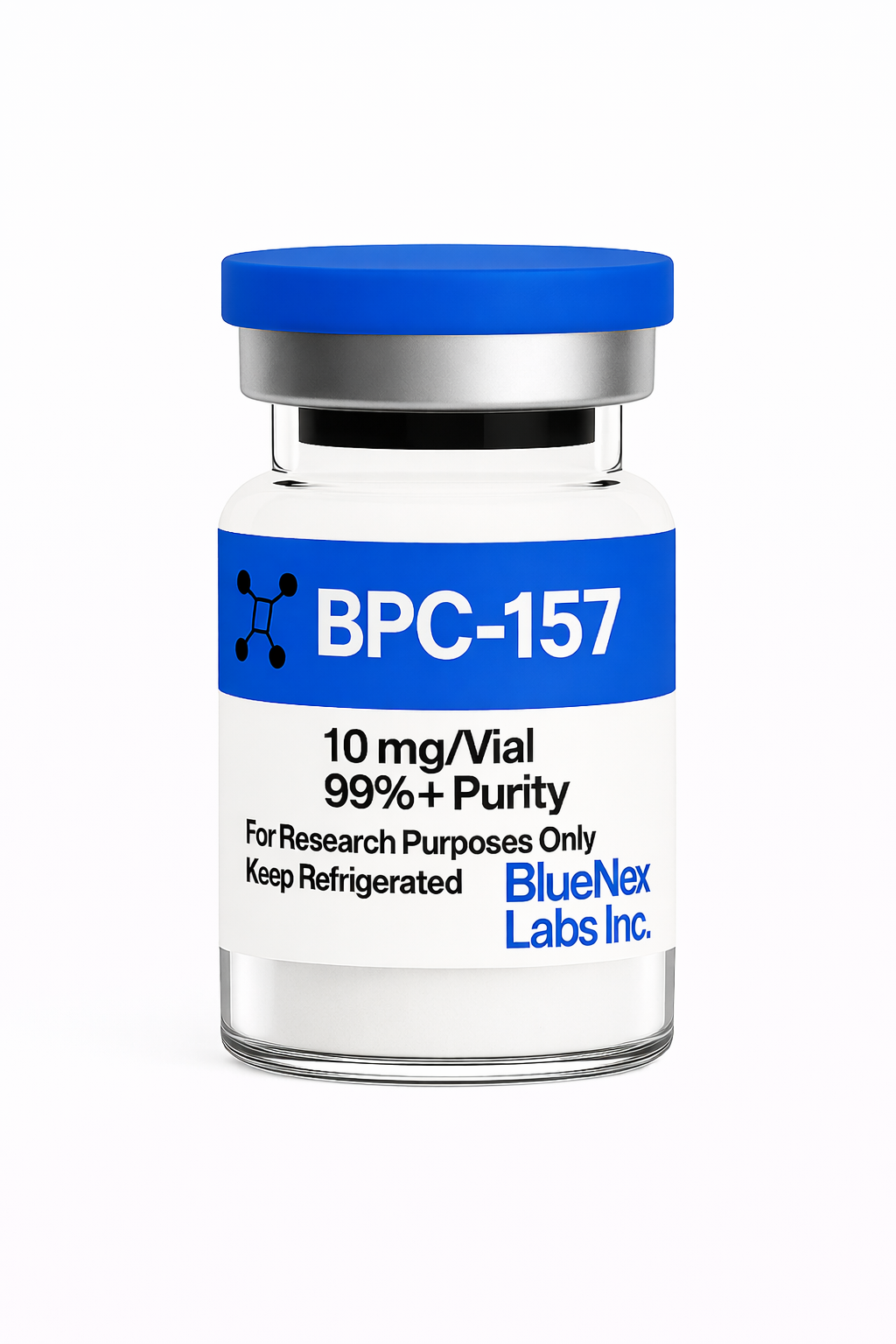
BPC‑157 is one of the most searched research peptides in Canada, valued for its stability and relevance in tissue, inflammatory, and gastrointestinal research models. Canadian labs increasingly seek domestic, COA‑verified suppliers to avoid customs delays and ensure purity — making BlueNexLabs a trusted option for high‑quality BPC‑157.
Finding COA‑certified peptides in Canada can be challenging, with many suppliers lacking transparent testing or compliant documentation. This guide explains what to look for in a reputable Canadian peptide source, why COA verification matters, and how BlueNexLabs supports researchers with high‑purity, audit‑safe, domestically shipped peptides.
BlueNexLabs offers COA‑verified peptides all across Canada, including major hubs such as Vancouver and Toronto with fast, compliant, research‑grade peptide delivery. Delivery takes only 1-3 business days.
Find trusted, high‑purity research peptides in Canada. BlueNexLabs ships COA‑verified peptides quickly to Vancouver, Toronto, and nationwide.
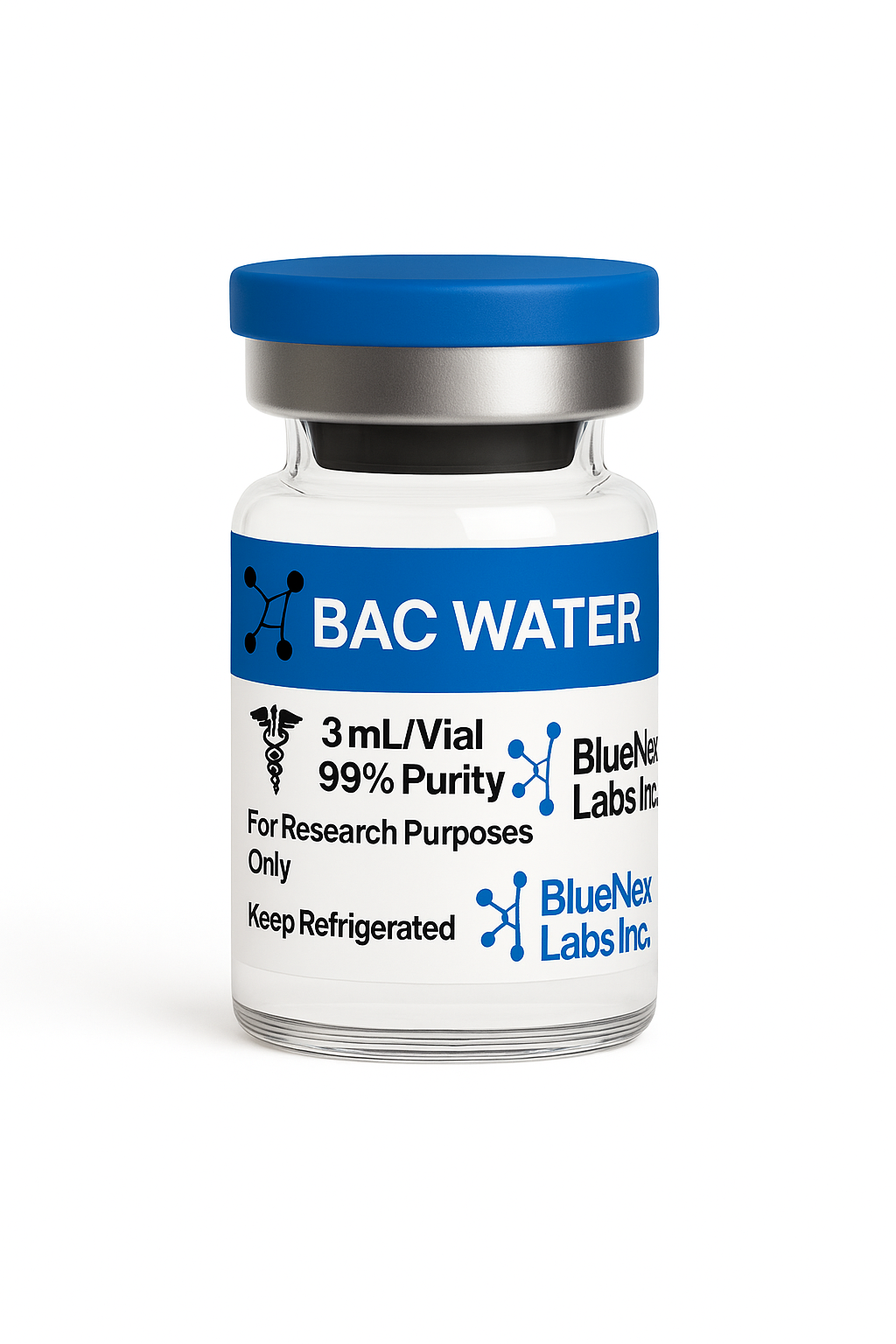
Bacteriostatic Water (BAC Water) is one of the most essential solvents used in Canadian peptide research, offering sterile, benzyl‑alcohol–preserved water ideal for accurate reconstitution. Across Canada, researchers rely on BAC Water for consistent peptide dissolution, reduced contamination risk, and multi‑use stability after first puncture. As demand for high‑purity laboratory materials grows in Canadian biotech and academic settings, BAC Water remains a cornerstone for reliable, repeatable research workflows. Offered at BlueNexLabs at an affordable cost of for $5 / 3ml vial.
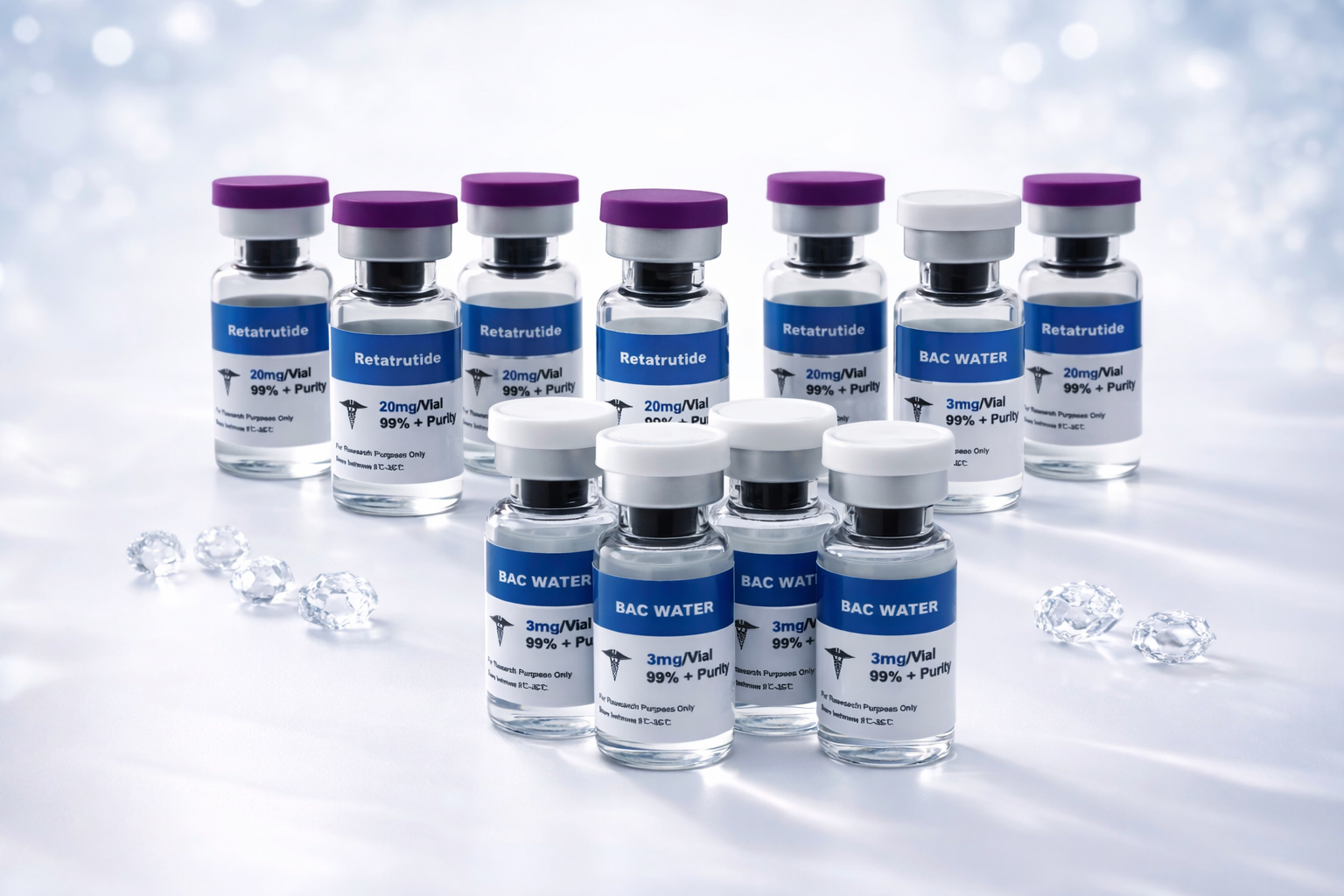
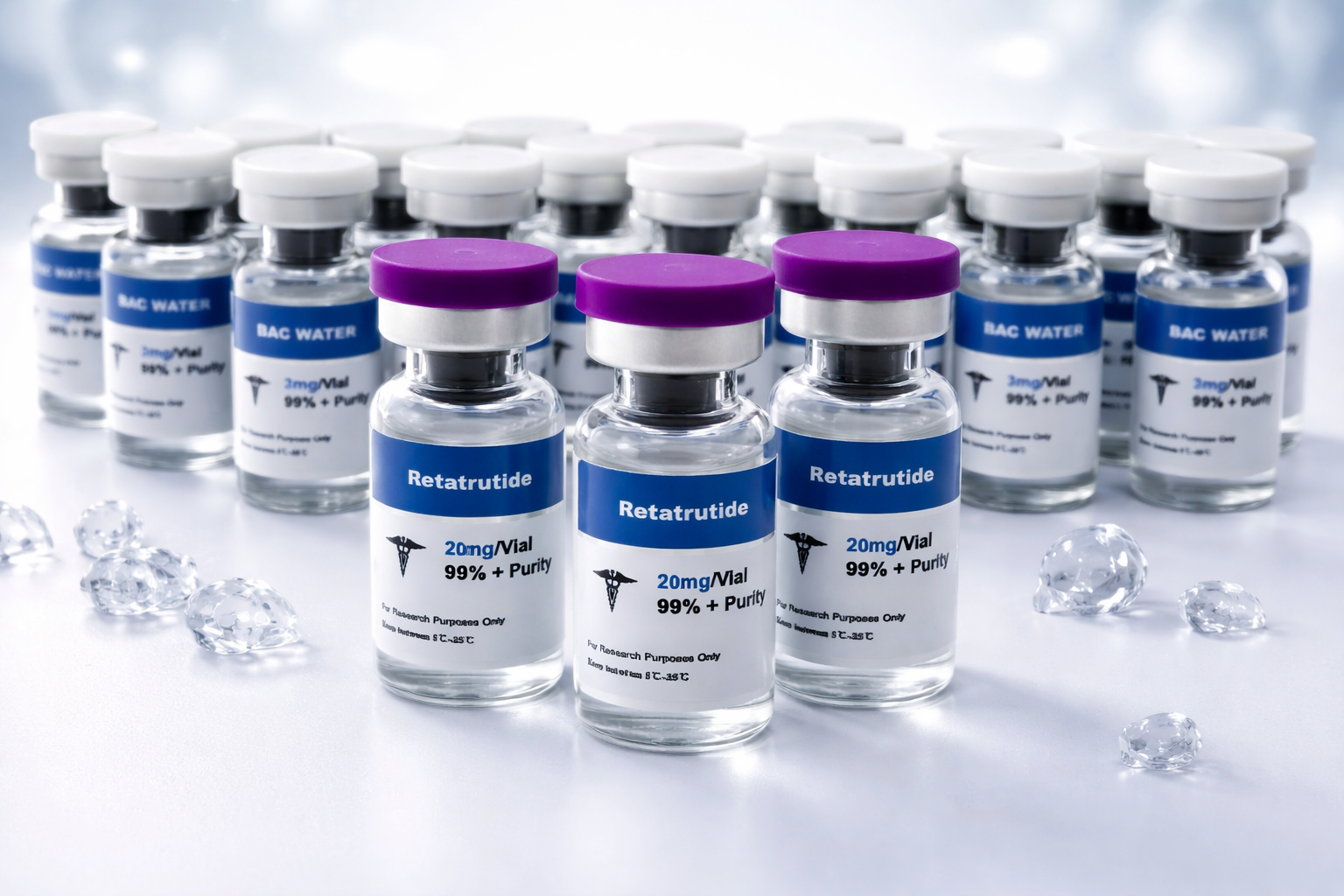
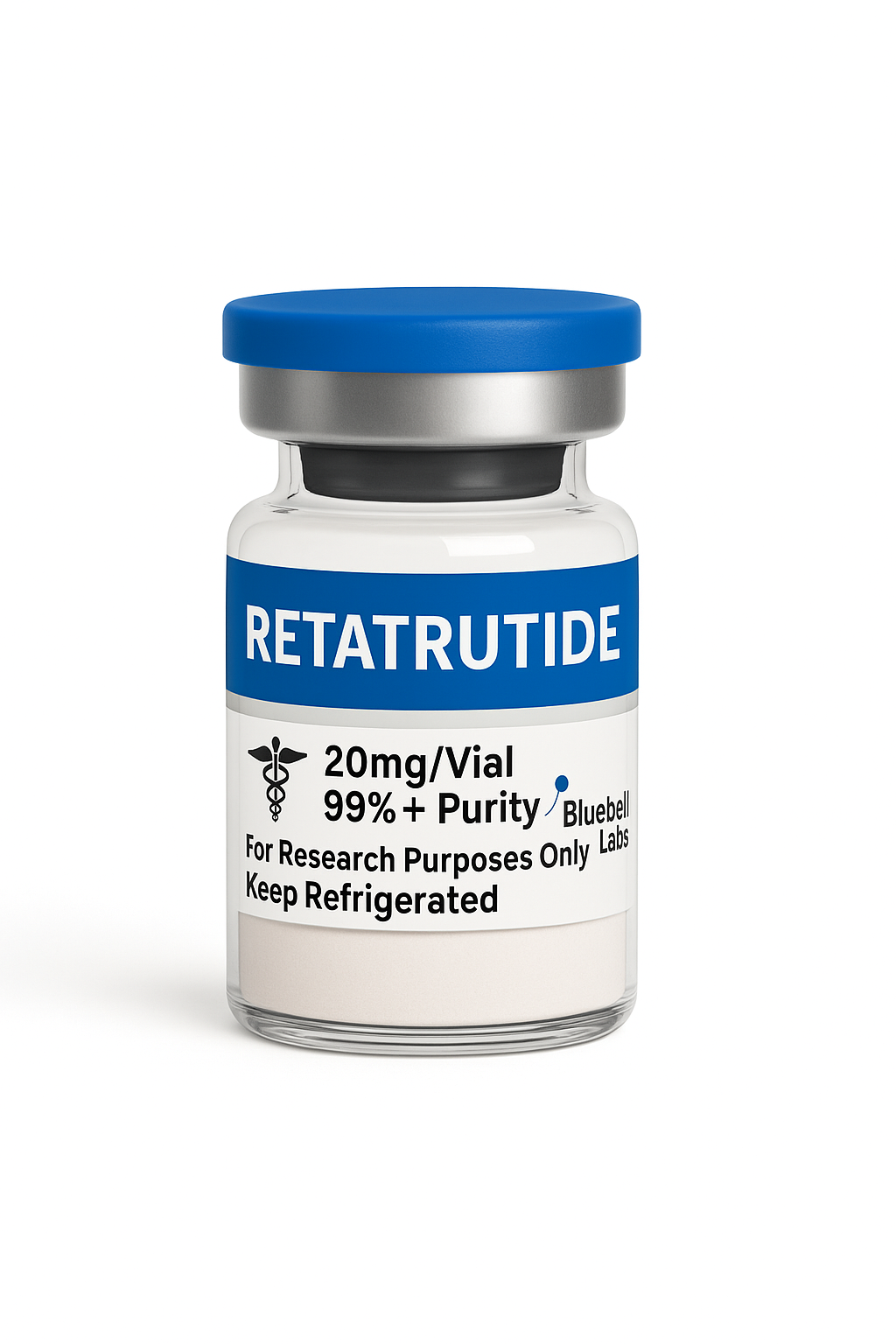
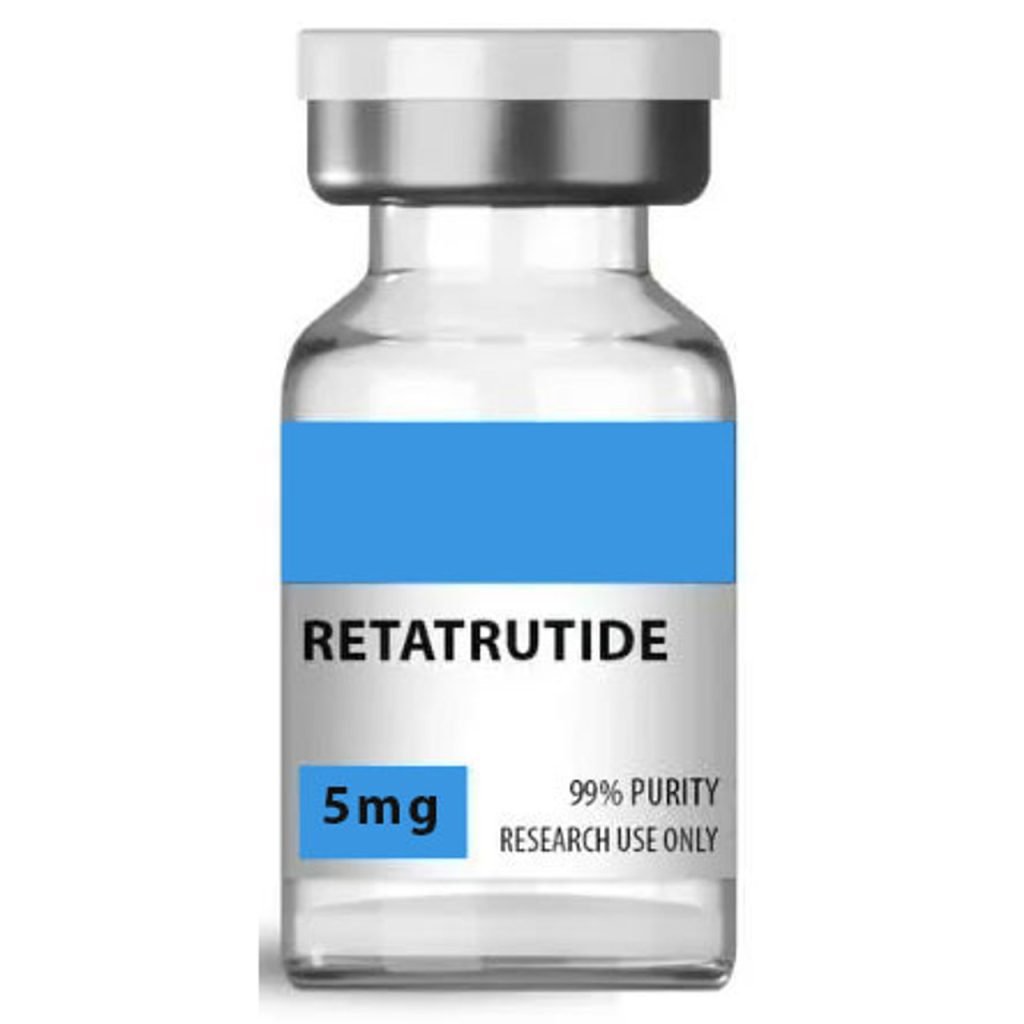
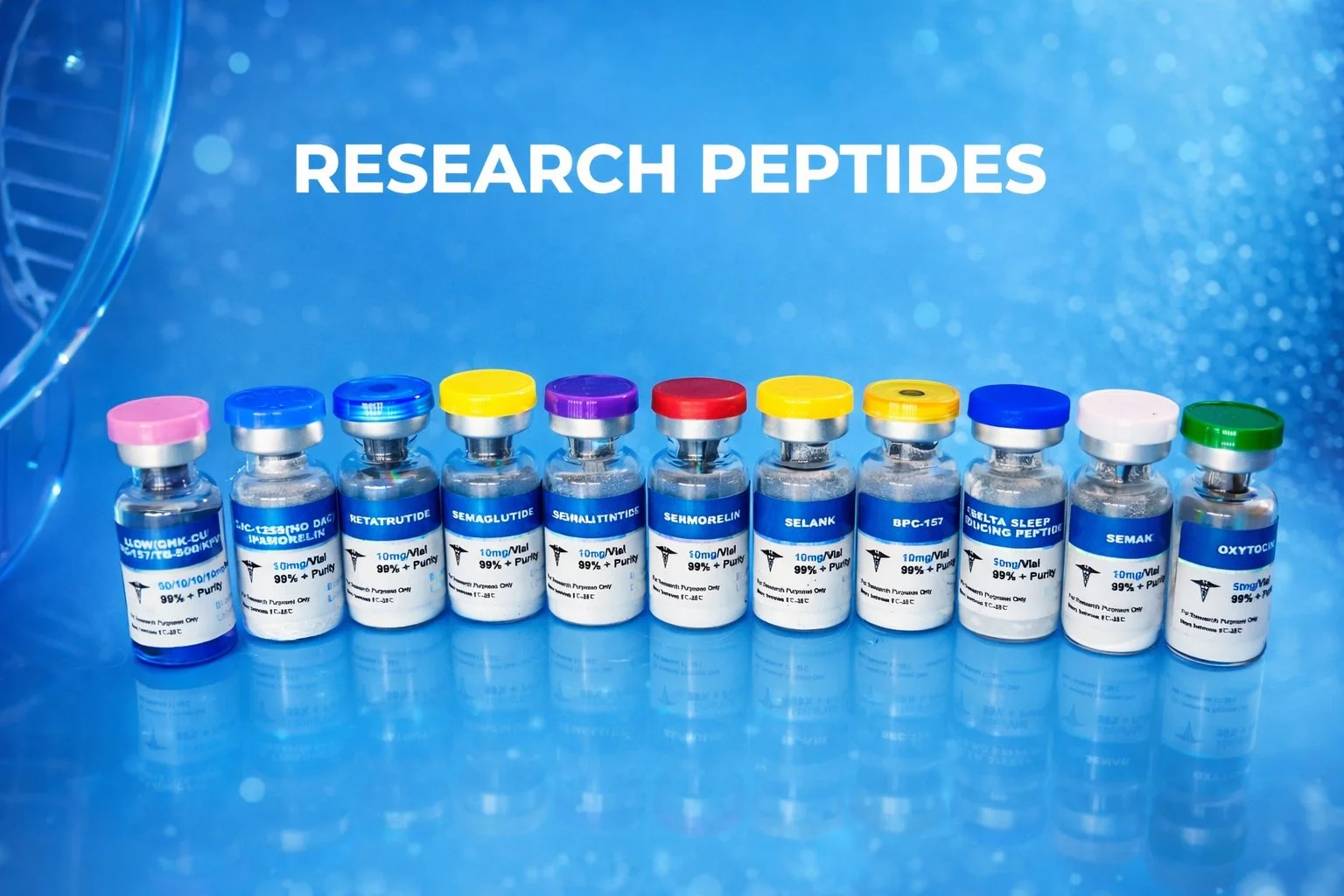
Retatrutide ongoing research and upcoming FDA approval. Being researched for weight-loss and appetite suppression to help with diabetes and obesity
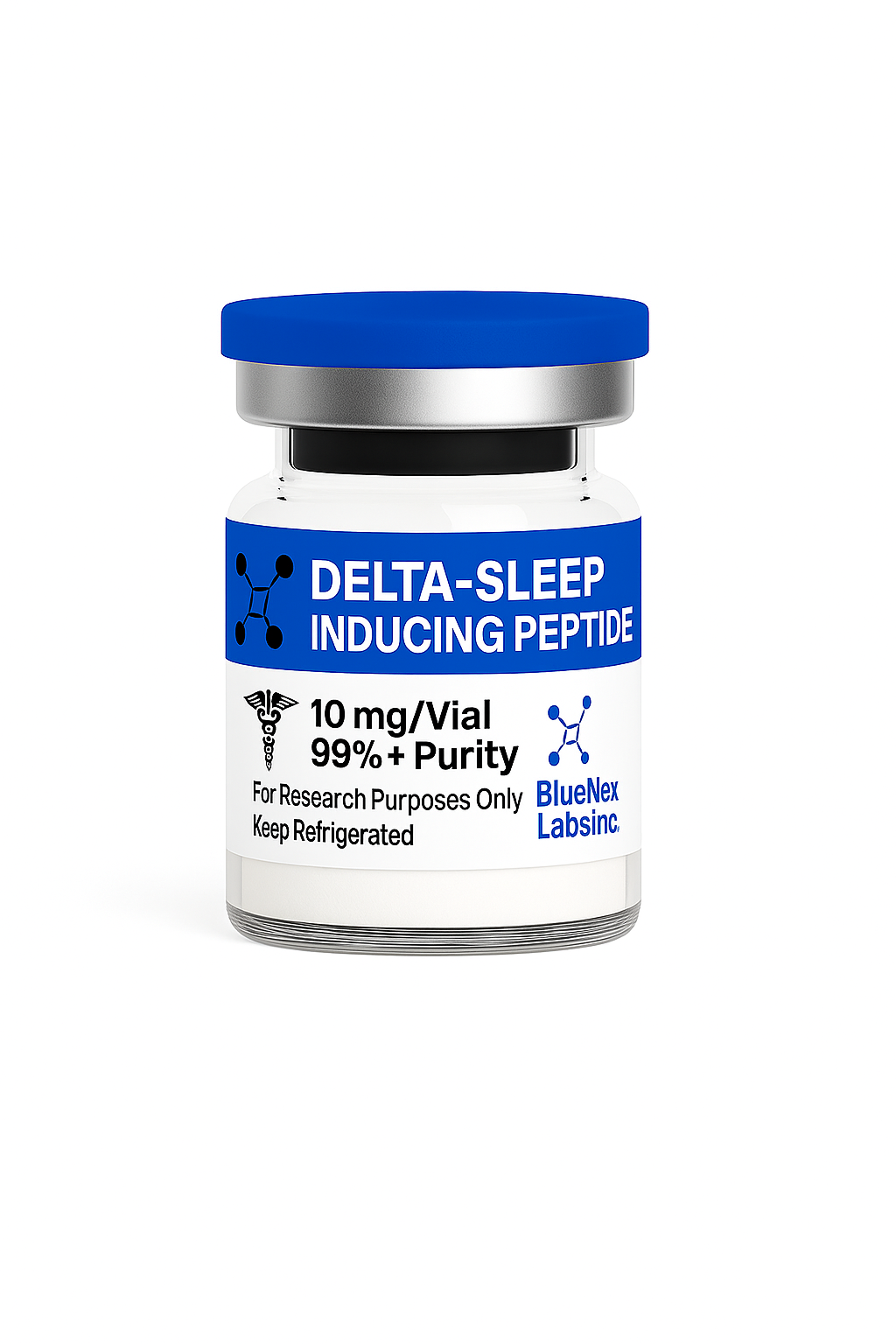
Delta-Sleep Inducing Peptide (DSIP) is used to improve your sleep and increase the REM stage of your sleep helping you feel more rested.
BlueNexLabs Logo - reputable peptide distributor for Vancouver, BC and Toronto, Ontario
Vial of peptides from a Canadian peptide distributor with COAs and local to Vancouver or Toronto
Peptide laws in Canada can be confusing, especially with strict rules around research‑use‑only labeling, COA requirements, and advertising restrictions. This guide explains how peptides are regulated under Canadian standards, what researchers must know to stay compliant, and why many labs rely on BlueNexLabs for transparent, audit‑safe sourcing.
Signaling peptides act as cellular messengers that guide repair, collagen renewal, and skin regeneration. This article breaks down how these peptides influence communication pathways, support healthier skin structure, and why Canadian researchers and formulators look to BlueNexLabs for COA‑verified, audit‑safe peptide insights.
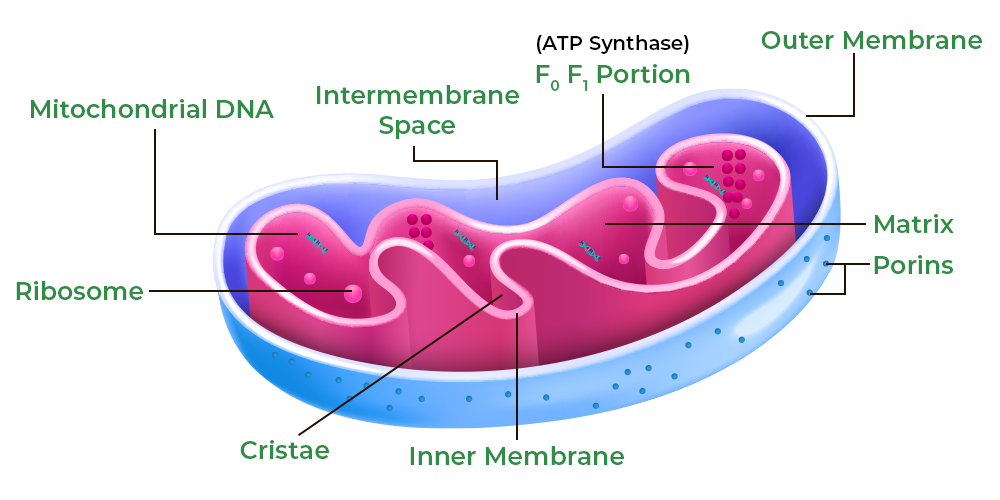
Mitochondrial peptides are emerging as powerful regulators of cellular longevity, metabolic efficiency, and stress signaling. This article explores how these peptides influence energy production, repair pathways, and healthy aging — and why Canadian researchers look to BlueNexLabs for COA‑verified, audit‑safe mitochondrial peptide insights.
Peptide handling errors are easy to make—but also easy to prevent with the right workflow. By controlling temperature, minimizing light exposure, using proper solvents, and following disciplined storage practices, researchers can preserve the purity and performance of every BlueNexLabs peptide.
Peptides are highly sensitive biomolecules, and their stability is directly influenced by environmental conditions—especially temperature and light exposure. At BlueNexLabs, every peptide is engineered and lyophilized to preserve purity and structural fidelity, but proper handling remains essential once the vial reaches your lab.
Proper peptide storage is essential for maintaining stability, purity, and research integrity. This Canada‑focused guide outlines best practices for handling lyophilized peptides, temperature control, and reconstitution. Researchers across Canada rely on BlueNexLabs for COA‑verified peptides and audit‑safe storage guidelines.
Peptide purity is measured using analytical methods like HPLC and LC‑MS to confirm identity, composition, and the absence of impurities. This guide explains how these tests work, why COA verification matters for research‑grade peptides, and how BlueNexLabs supports Canadian labs with transparent, high‑purity documentation.
A Certificate of Analysis (COA) is the primary document researchers use to verify peptide identity, purity, and testing standards. This guide explains how COAs work, why they matter for reproducible results, and why Canadian labs rely on COA‑verified products from trusted suppliers like BlueNexLabs.
Peptide structure and stability are shaped by sequence, bonding, and environmental factors. Explore how formulation and storage influence purity and research performance.
### What Are Research Peptides?
Short chains of amino acids studied in laboratory environments to understand molecular structure, signaling pathways, and biochemical interactions.
Lyophilized peptides are freeze‑dried to preserve stability, purity, and shelf life, making them the preferred format for research‑grade compounds in Canada. This guide explains how lyophilization works, why it protects molecular integrity, and how BlueNexLabs supports researchers with COA‑verified, audit‑safe peptide handling standards.
## Research Categories
• Signaling Peptides
• Structural Peptides
BPC‑157 in Canada: What It Is, What Researchers Study It For, and Where Canadians Buy It
BPC‑157 is one of the most searched research peptides in Canada, valued for its stability and relevance in tissue, inflammatory, and gastrointestinal research models. Canadian labs increasingly seek domestic, COA‑verified suppliers to avoid customs delays and ensure purity — making BlueNexLabs a trusted option for high‑quality BPC‑157.
GHK‑Cu is a copper‑binding tripeptide widely studied in Canada for its role in collagen support, skin‑barrier repair, and cosmetic regeneration pathways. Research highlights its ability to influence extracellular‑matrix remodeling, antioxidant signaling, and visible aging markers, making it one of the most in‑demand cosmetic peptides in Canadian skin‑science labs.