
Research · 2026-03-20
By Alice Kay · Last reviewed 16 Oct 2026
Mitochondrial peptides as a research class
Research-use notice: This article summarizes published scientific literature for educational purposes. It is not medical advice and does not provide dosing, administration or human-use information. Findings described in the literature do not apply to any BlueNex Labs product, which is supplied only for in-vitro laboratory research and not for human or animal use.
Direct answer
Class map for mitochondrial-related catalogue materials. Separate MOTS-c, SS-31, NAD+, AICAR, and Epithalon. Not the MOTS-c monograph.
Scope
Metabolic & energy-signaling models. Incretin, mitochondrial, and secretagogue literature. These notes summarize published models — they are not catalog pages.
This note does not claim that Alice Kay authored any cited paper.
Mitochondrial peptides Research Overview
This class note groups mitochondrial-derived peptides and related cellular-energy reagents that show up in the same reading list. Each live SKU still has its own product URL and lot report.
This page provides laboratory-focused information for Mitochondrial peptides. Content is intended for research use only and should be read with the published documentation and analytical data.
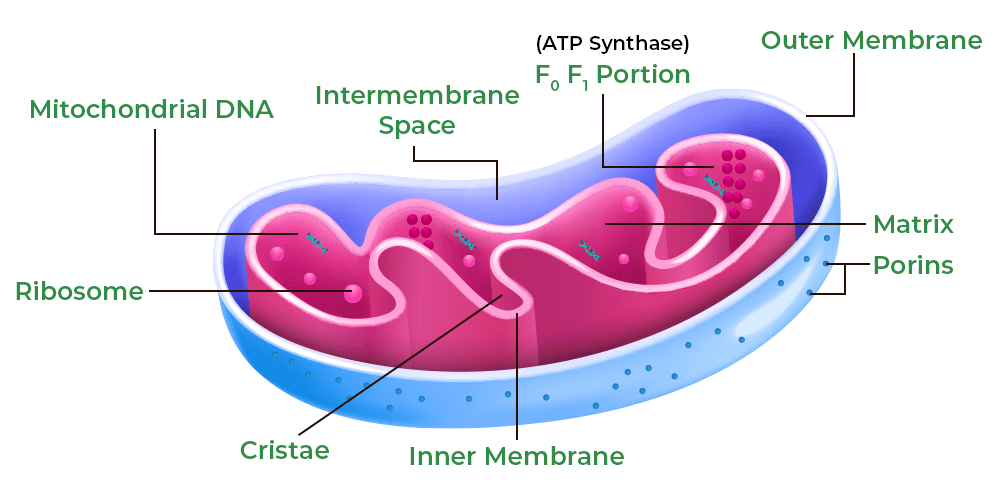
This page is the class map for materials filed on the mitochondrial shelf. It is not the MOTS-c monograph. Reviews name Humanin, MOTS-c, and small Humanin-like peptides (SHLPs) as mitochondrial-derived sequences encoded in mitochondrial open reading frames. Humanin and SHLPs are not catalogue SKUs here. A review naming them does not make them catalogue products.
Keep each catalogue object on its own URL
MOTS-c on this site is the 16-residue sequence reported by Lee and colleagues (PMID 25738459). For the sequence and lot note, see the MOTS-c laboratory note. For the shorter compound guide, see What is MOTS-c?. For the fills, see MOTS-c 10 mg and MOTS-c 40 mg. Those fills do not share one certificate.
SS-31 is a mitochondria-targeted tetrapeptide, not an mtORF peptide. For the fills, see SS-31 10 mg and SS-31 50 mg. Its note is What is SS-31?. The published lot report covers the 10 mg sample; see the SS-31 10 mg certificate. It does not document the 50 mg vial. NAD+ is a redox cofactor, separated from consumer IV marketing in NAD+ in energy-metabolism research. AICAR is a nucleoside reagent with its own laboratory note. Epithalon is a separate tetrapeptide on its own note. L-carnitine, vitamin B12, and kisspeptin can share the mitochondrial category because of catalogue taxonomy. They are not mtORF peptides.
What the class of papers asks
Reviews of mitochondrial-derived peptides discuss AMPK-related signalling, oxidative-stress markers, and metabolic readouts in cells or animals. MOTS-c papers are often exercise-physiology or glucose-handling models. Humanin papers are often neuroprotection-style assays. Those findings stay in the model that measured them. They do not authorize a clinic offering on this site, and they do not collapse the catalogue notes above into one page.
Documentation
Use the COA library for lots that have Janoshik links. Match the milligrams on the label to the milligrams on the PDF. Canada-only Interac checkout applies. A class map is not a lot file.
Catalogue cross-reference
Open MOTS-c 10 mg, MOTS-c 40 mg, SS-31 10 mg, or SS-31 50 mg only when the assay names that material. The 10 mg SS-31 lot file does not document the 50 mg vial.
Orders ship inside Canada only after Interac e-Transfer checkout. Sold-out SKUs remain listed and cannot be added to the cart. Match each vial to its own Certificate of Analysis when a lot is published. Research use only. Not for human or veterinary use.
References
- PMID 25738459
Research use only. BlueNex Labs does not provide medical or veterinary advice. Confirm your institution’s policies before purchase. Lot-file rules for this note are on the documentation standards page. By Alice Kay.