
Research · 2026-03-17
Scientific lead: Alice Kay, Ph.D.
Common peptide handling errors
Direct answer
Peptide handling errors are easy to make—but also easy to prevent with the right workflow. By controlling temperature, minimizing light exposure, using proper solvents, and following disciplined storage practices, researchers can preserve the purity of the dry solid for every BlueNex Labs peptide.
Scope
Lab practice & storage. Lyophilized handling, temperature and light, degradation, laboratory solvents, and gelation notes.
Reviewer: Alice Kay, Ph.D., scientific lead. This note does not claim that the reviewer authored any cited paper.
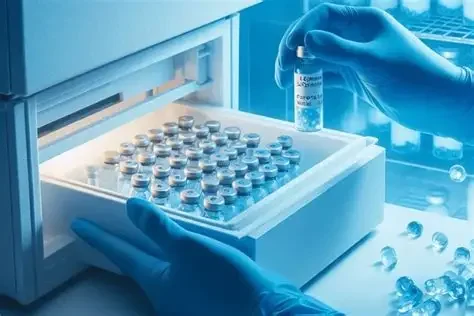
Common Peptide Handling Errors: How to Protect Stability, Purity & Research Accuracy
Peptides are highly sensitive biomolecules, and even small handling mistakes can compromise purity, potency, and structural integrity. At BlueNex Labs, every peptide is manufactured and lyophilized to research‑grade standards—but proper handling in the lab is essential to maintain that quality. Understanding the most common peptide handling errors helps researchers avoid degradation, inconsistent results, and unnecessary product loss.
Below are the key mistakes to watch for—and how to prevent them.
1. Exposing Peptides to Temperature Fluctuations
Temperature instability is a common way to degrade peptides.
Common Errors
Leaving peptides at room temperature for extended periods
-
Repeatedly opening freezer doors
Allowing vials to thaw during transport or handling
BlueNex Labs Best Practice
Lyophilized peptides: Store at −20 °C or below
-
Always allow vials to reach room temperature before opening to prevent condensation
2. Allowing Light Exposure During Handling
Light—especially UV—can trigger oxidation and structural breakdown.
Common Errors
Leaving vials under bright lab lighting
Storing peptides near windows
BlueNex Labs Best Practice
Store in amber vials or dark environments
-
Minimize exposure during pipetting or aliquoting
3. Introducing Moisture Into Lyophilized Peptides
Lyophilized peptides are hygroscopic and absorb moisture rapidly.
Common Errors
Opening vials before they reach room temperature
Leaving vials uncapped during preparation
Storing peptides without desiccants
BlueNex Labs Best Practice
Let vials warm to room temperature before opening
Keep exposure time minimal
Store with desiccants to maintain dryness
4. Using Incorrect Solvents or Buffers
Solvent choice directly affects peptide solubility and stability.
Common Errors
Using incompatible solvents
-
Mixing solvents without verifying compatibility
BlueNex Labs Best Practice
-
Use buffers only when required by the research protocol
Consult solubility guidelines for complex sequences
5. Repeated Freeze–Thaw Cycles
Freeze–thaw stress can cause aggregation, oxidation, and loss of activity.
Common Errors
-
Thawing and refreezing multiple times
Using the same aliquot across experiments
BlueNex Labs Best Practice
-
Use single‑use volumes
Keep working aliquots at 4°C for short‑term use
6. Using Non‑Sterile or High‑Binding Containers
The wrong container can cause contamination or peptide loss.
Common Errors
Using standard plastic tubes that bind peptides
Reusing vials
Storing peptides in non‑sterile containers
Best practice
Use low‑binding, sterile vials
Avoid reusing containers
Label clearly with compound name, batch, concentration, and date
7. Poor Documentation and Labelling
Mislabeling or incomplete records can lead to inconsistent results.
Common Errors
Missing concentration details
-
Untracked freeze–thaw cycles
Best practice
Maintain a storage and handling log
Label every vial with date, batch, and concentration
Track aliquots to ensure consistency
Final Thoughts
Peptide handling errors are easy to make—but also easy to prevent with the right workflow. By controlling temperature, minimizing light exposure, using proper solvents, and following disciplined storage practices, researchers can preserve the purity of the dry solid for every BlueNex Labs peptide.
Consistent handling protects your investment, improves reproducibility, and ensures your research is built on reliable, high‑quality materials.
References
This note does not add a separate citation list. Named papers, when the body links them, stay in the text above.
Research use only. BlueNex Labs does not provide medical or veterinary advice. Confirm your institution’s policies before purchase. Lot-file rules for this note are on the documentation standards page. Scientific lead: Alice Kay, Ph.D.