Canadian Peptides | Research Knowledge Hub
The BlueNexLabs Research Knowledge Hub provides educational information on research peptides, laboratory handling practices, molecular characteristics, and scientific study contexts. All information is provided for educational and laboratory research purposes only and does not constitute medical advice.









## Research Categories
• Signaling Peptides
• Structural Peptides
Structural Peptides: Understanding Their Role in Biological Research
Structural peptides play a foundational role in biological research because they help scientists understand how proteins fold, stabilize, and interact within living systems. These peptides act as simplified models of larger protein structures, allowing researchers to study molecular behavior with precision. By mimicking key segments of natural proteins, structural peptides reveal how shape, charge, and sequence influence biological function—insights that are essential for developing new therapeutics, improving biomaterials, and advancing peptide‑based drug design. As research tools, they bridge the gap between molecular theory and real‑world biological activity, making them indispensable in modern life‑science innovation.
Red Carpet Ready’ Now Means IV Drips And NAD+ In $6.8B Wellness Shift
Picture of the Oscars
Signaling Peptides: The Cellular Messengers Transforming Skin Health & Regeneration
Signaling peptides act as cellular messengers that guide repair, collagen renewal, and skin regeneration. This article breaks down how these peptides influence communication pathways, support healthier skin structure, and why Canadian researchers and formulators look to BlueNexLabs for COA‑verified, audit‑safe peptide insights.
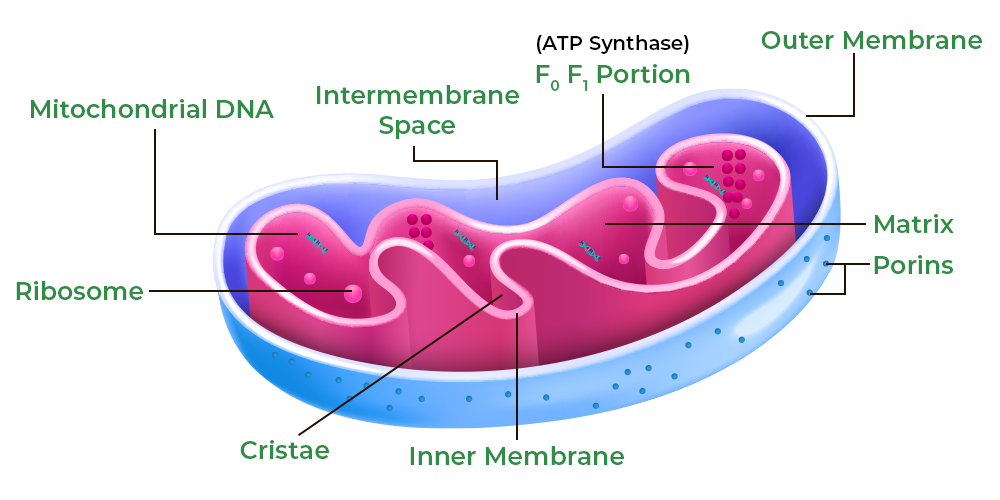
Mitochondrial Peptides: The Next Frontier in Cellular Longevity & Metabolic Health
Mitochondrial peptides are emerging as powerful regulators of cellular longevity, metabolic efficiency, and stress signaling. This article explores how these peptides influence energy production, repair pathways, and healthy aging — and why Canadian researchers look to BlueNexLabs for COA‑verified, audit‑safe mitochondrial peptide insights.
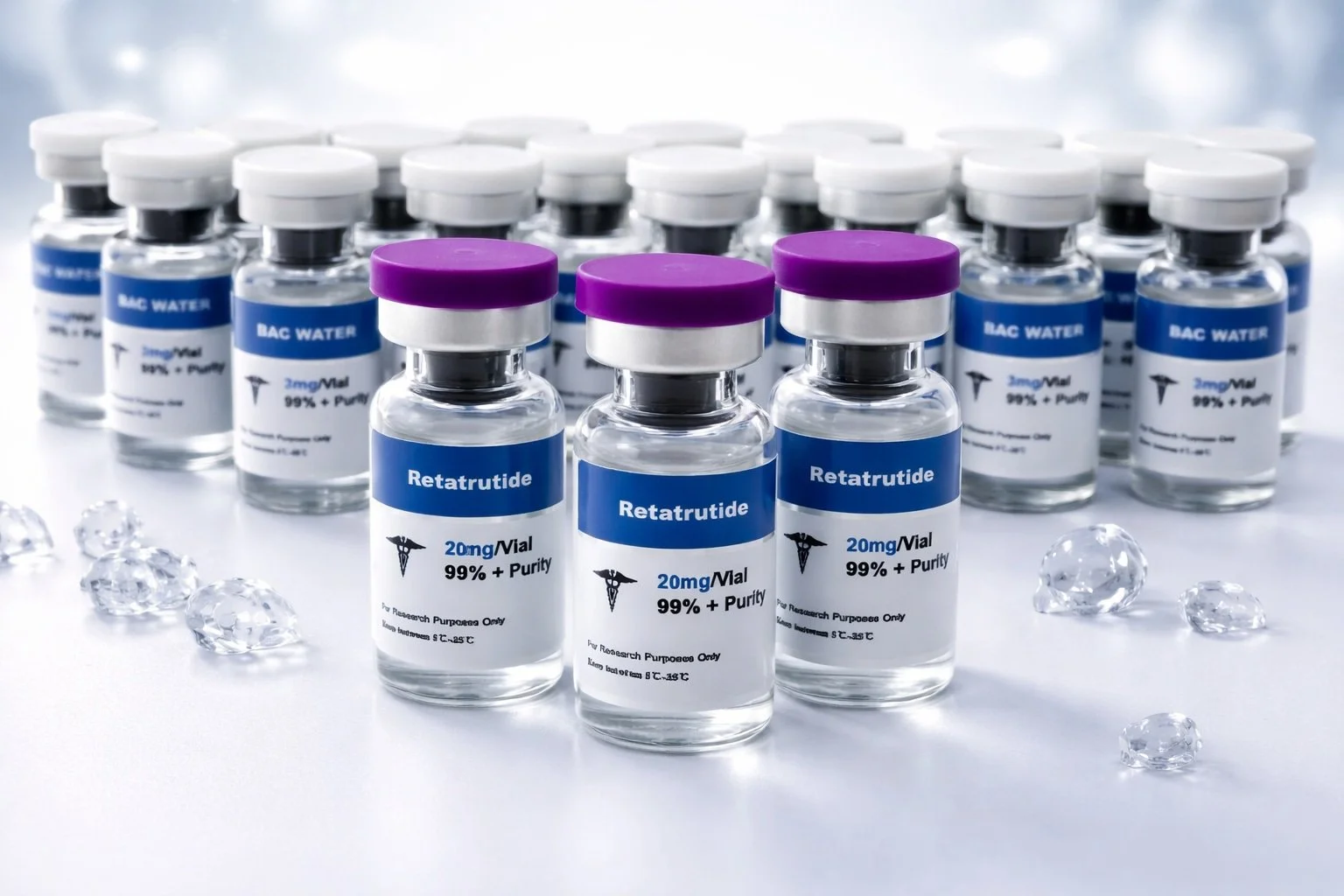
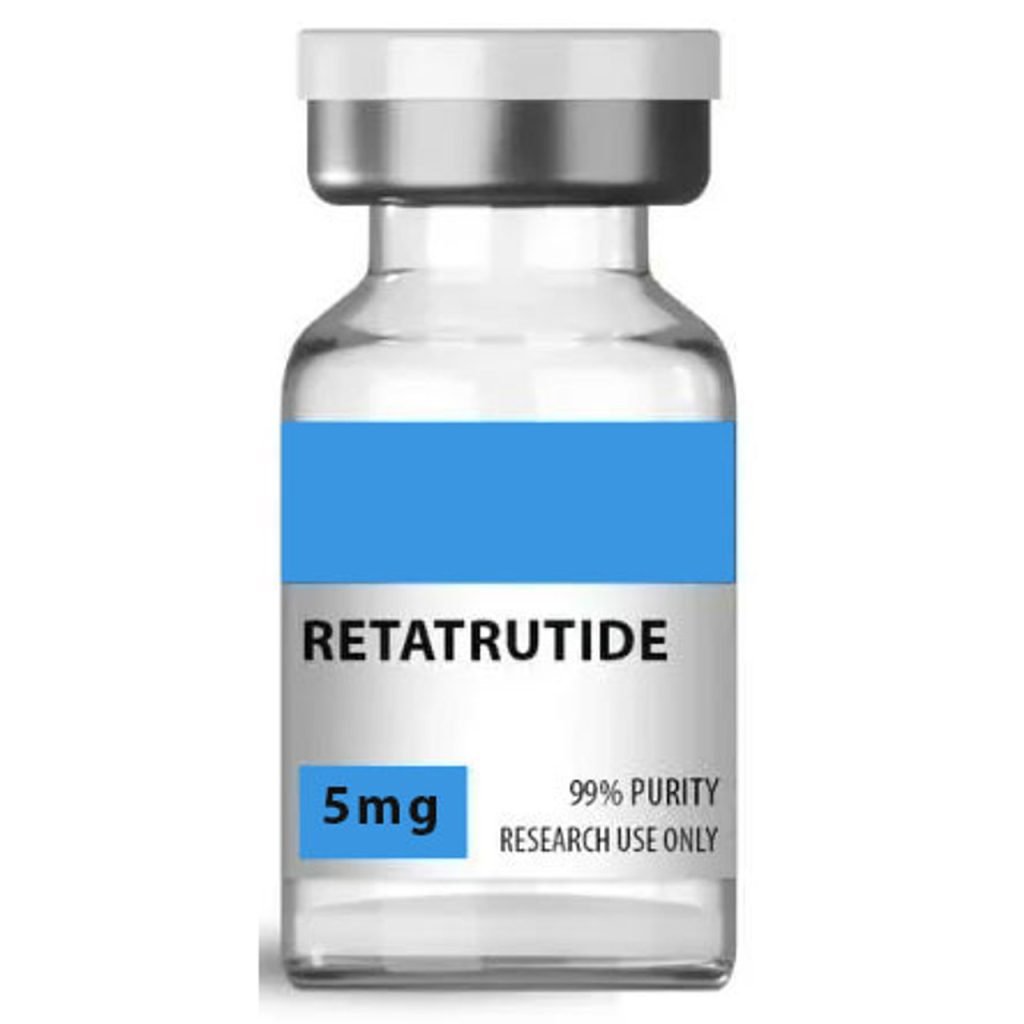
Breaking News - Retatrutide clears first late-stage diabetes trial!
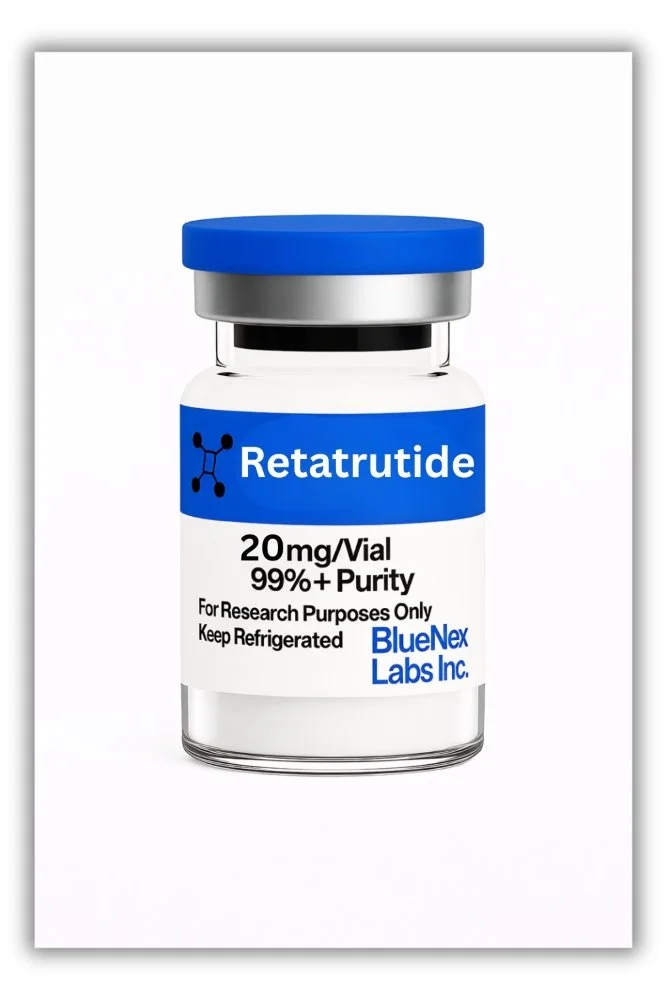
Image of a 5mg vial of Retatrutide of 99% Purity
Common Peptide Handling Errors
Peptide handling errors are easy to make—but also easy to prevent with the right workflow. By controlling temperature, minimizing light exposure, using proper solvents, and following disciplined storage practices, researchers can preserve the purity and performance of every BlueNexLabs peptide.
Temperature and Light Sensitivity
Peptides are highly sensitive biomolecules, and their stability is directly influenced by environmental conditions—especially temperature and light exposure. At BlueNexLabs, every peptide is engineered and lyophilized to preserve purity and structural fidelity, but proper handling remains essential once the vial reaches your lab.
Peptide Storage Guidelines
Proper peptide storage is essential for maintaining stability, purity, and research integrity. This Canada‑focused guide outlines best practices for handling lyophilized peptides, temperature control, and reconstitution. Researchers across Canada rely on BlueNexLabs for COA‑verified peptides and audit‑safe storage guidelines.
Batch Testing and Verification
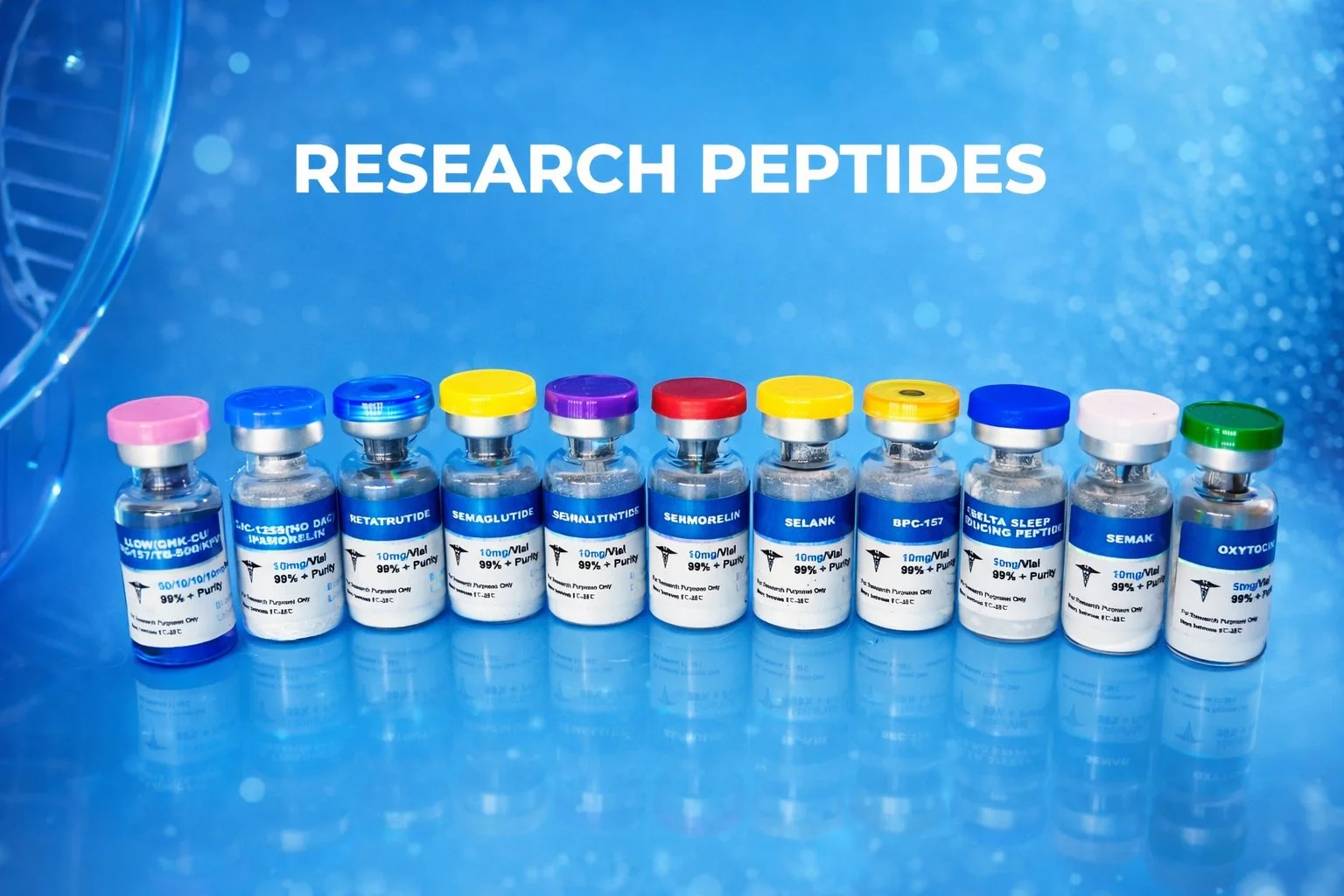
Batch testing and verification are essential steps in ensuring peptide purity, potency, and safety. Every high‑quality peptide should undergo independent third‑party analysis—typically including HPLC, mass spectrometry, and microbial testing—to confirm that what’s on the label matches what’s in the vial. Because peptide quality can vary widely between manufacturers, verified batch reports give consumers and clinicians confidence that each peptide meets strict standards for identity, purity, and contamination control. In a market where precision matters, transparent batch testing is the foundation of trustworthy peptide sourcing.
How peptide purity is measured
Peptide purity is measured using analytical methods like HPLC and LC‑MS to confirm identity, composition, and the absence of impurities. This guide explains how these tests work, why COA verification matters for research‑grade peptides, and how BlueNexLabs supports Canadian labs with transparent, high‑purity documentation.

What Is a Certificate of Analysis (COA)? Complete Guide for Research Peptides in Canada
A Certificate of Analysis (COA) is the primary document researchers use to verify peptide identity, purity, and testing standards. This guide explains how COAs work, why they matter for reproducible results, and why Canadian labs rely on COA‑verified products from trusted suppliers like BlueNexLabs.
Peptide Structure and Stability
Peptide structure and stability are shaped by sequence, bonding, and environmental factors. Explore how formulation and storage influence purity and research performance.

What are research peptides?
What Are Research Peptides?
Short chains of amino acids studied in laboratory environments to understand molecular structure, signaling pathways, and biochemical interactions.
Understanding Lyophilized Peptides: A Comprehensive Guide
Lyophilized peptides are freeze‑dried to preserve stability, purity, and shelf life, making them the preferred format for research‑grade compounds in Canada. This guide explains how lyophilization works, why it protects molecular integrity, and how BlueNexLabs supports researchers with COA‑verified, audit‑safe peptide handling standards.
Endotoxins are a hidden but critical factor in peptide quality. Learn what endotoxins are, how they contaminate peptides, and how testing methods like the LAL assay are reported on Certificates of Analysis. A guide for researchers sourcing Canadian peptides from BlueNexLabs.