Research · 2026-06-27
Start a Canadian peptide testing lab
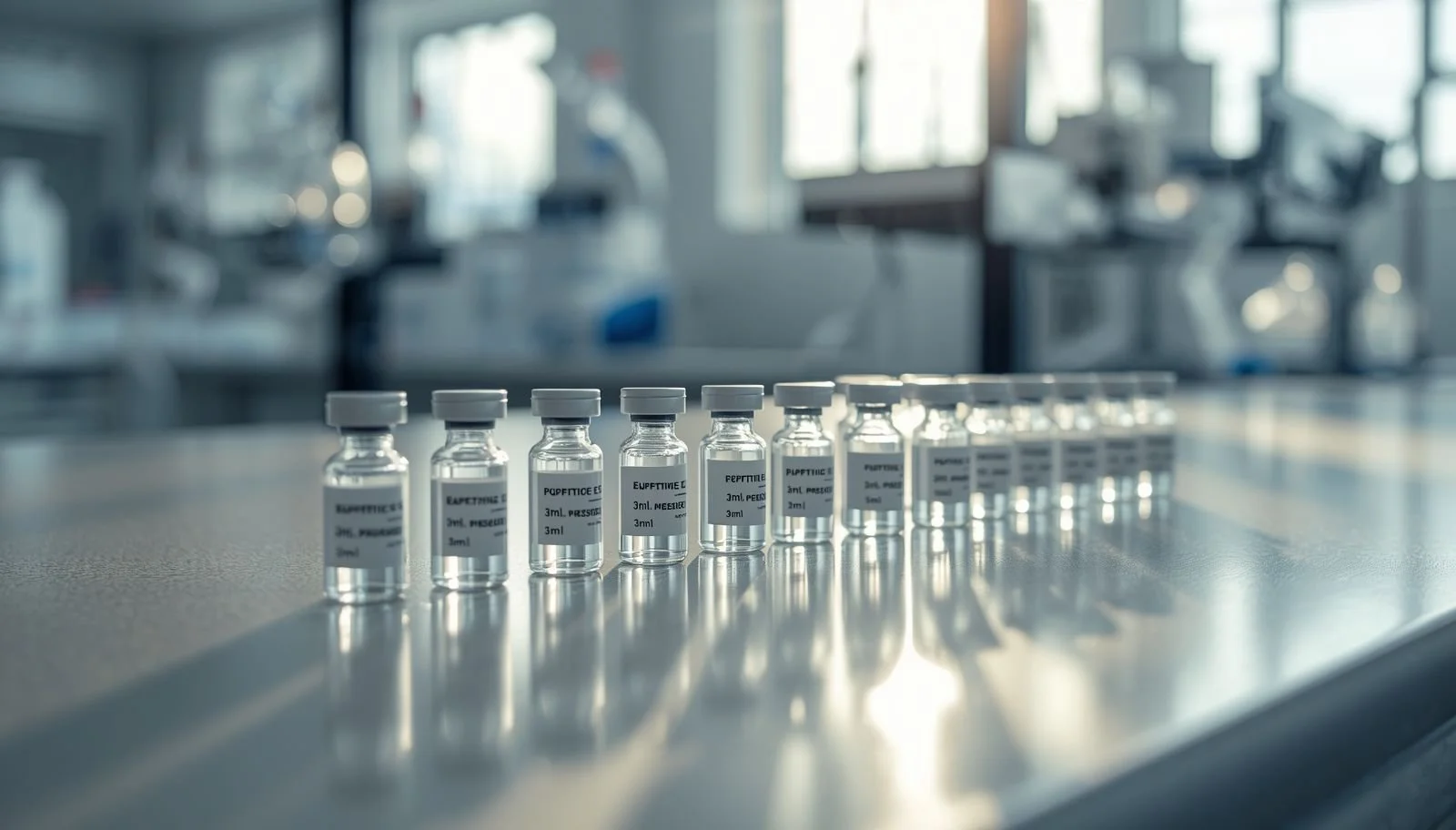
How to Start a Canadian Peptide Testing Company As the
Canadian peptide industry continues to grow, demand for independent quality verification is growing alongside it. Researchers, distributors, universities, biotechnology companies, and peptide vendors increasingly require third-party verification of peptide identity, purity, endotoxin levels, and overall quality. While many peptide suppliers provide Certificates of Analysis (COAs), relatively few independent Canadian laboratories specialize in peptide testing.
This creates a potentially attractive business opportunity for entrepreneurs interested in analytical chemistry, biotechnology, and laboratory services. In this article, BlueNexLabs explores what it takes to launch a peptide testing company in Canada, including startup costs, required equipment, market demand, and future growth potential.
Why Peptide Testing Matters
Research peptides are complex molecules that require rigorous analytical testing to verify quality. Most researchers depend on laboratory testing to confirm:
Peptide identity
Purity levels
Molecular weight
Water content
Endotoxin contamination
Batch consistency
Without independent verification, researchers may have difficulty determining whether a peptide batch meets
the specifications claimed by a supplier. As demand for research peptides increases, so does demand for transparent testing and documented quality controls.
What Services Does a Peptide Testing Laboratory Offer?
Most peptide testing companies provide several core analytical services: Identity Testing Identity testing verifies that a peptide is actually the compound stated on its label. The most common tool used for identity testing is: LC-MS (Liquid Chromatography-Mass Spectrometry) Mass spectrometry verifies molecular weight and confirms peptide composition. Purity Testing Purity testing determines how much of a sample consists of the target peptide versus impurities.
The industry standard technique is: High Performance Liquid Chromatography (HPLC) Purity testing is one of the most commonly requested analytical services in the peptide industry. HPLC systems are widely used across pharmaceutical, biotechnology, and peptide testing laboratories. [ bluenexlabs.com] Endotoxin Analysis Endotoxins are bacterial contaminants that can be introduced during manufacturing or handling. Testing is commonly performed using: Limulus Amebocyte Lysate (LAL) Recombinant Factor C methods Demand for endotoxin testing has grown significantly as researchers become increasingly focused on product quality and laboratory safety.
Water Content Analysis
Peptides are often sold in lyophilized (freeze-dried) form. Water content may be measured using: Karl Fischer titration This testing helps verify storage stability and proper lyophilization. Equipment Needed to Start a Peptide Testing Business 1.
HPLC System
An analytical HPLC system is generally considered the foundation of a peptide testing laboratory. Functions: Purity analysis Impurity profiling Batch comparison Chromatogram generation Common manufacturers include: Agilent Waters Shimadzu Thermo Fisher Without HPLC capabilities, it is difficult to provide industry-standard peptide purity testing. [bluenexlabs.com] Estimated Cost Used system: $20,000–80,000 CAD New system: $80,000–250,000+ CAD 2.
LC-MS System Liquid Chromatography-Mass Spectrometry combines separation and molecular identification. Functions: Identity confirmation Molecular weight determination Peptide verification LC-MS is a common method for peptide identity testing. Estimated Cost Used: $75,000–250,000 CAD New: $200,000–800,000+ CAD 3.
Endotoxin Testing Platform
To offer comprehensive certification services, an endotoxin testing system is often required. Functions: Detection of bacterial endotoxins Regulatory-quality reporting Estimated Cost $15,000–75,000 CAD 4. Karl Fischer Titrator Functions: Water content analysis Moisture verification Estimated Cost $15,000–50,000 CAD 5.
Laboratory Infrastructure
Additional laboratory equipment may include:
Analytical balances
Vortex mixers
Sonicators Centrifuges Micropipettes Type I ultrapure water system
Refrigeration and freezer storage
Estimated Cost $25,000–100,000 CAD Facility Requirements
A peptide testing company does not initially require pharmaceutical manufacturing capabilities. However, it will need: Laboratory space Temperature-controlled sample storage Chemical storage systems Laboratory information management systems (LIMS) Quality assurance procedures Many startups begin with 1,000–2,500 square feet of laboratory space before expanding.
Regulatory and Accreditation Considerations
One of the biggest competitive advantages a testing company can develop is accreditation.
ISO 17025 Accreditation
ISO 17025 is widely recognized as the international standard for testing and calibration laboratories. Benefits include:
Increased credibility
Better client confidence
Improved quality systems
Competitive differentiation
Many large research organizations prefer working with accredited laboratories whenever possible.
Estimated Implementation Cost $50,000–200,000+ Timeline 12–24 months Startup Budget Scenarios Lean Startup Model Services: Purity testing only Equipment: Used HPLC system Basic laboratory equipment Estimated Investment: $75,000–200,000 CAD Often used by entrepreneurs entering the market and validating demand.
Professional Testing Laboratory Services:
Purity testing Identity testing Endotoxin testing Water content analysis Equipment: HPLC LC-MS Endotoxin platform Karl Fischer system Estimated Investment: $300,000–1,000,000 CAD This is likely the most practical target for a specialized Canadian peptide testing company. Example laboratory services: Full analytical testing Third-party certifications Pharmaceutical support Estimated Investment: $1 million–5 million+ CAD Such laboratories typically serve biotechnology companies, pharmaceutical firms, research institutions, and peptide distributors.
Is There Demand for Peptide Testing in Canada?
The answer is increasingly yes. Several market trends are driving demand: Growth of Research Peptides Research peptides continue to receive growing attention across academic, biotechnology, and laboratory research sectors. As peptide availability increases, quality verification becomes increasingly important.
Increased Demand for Transparency
Researchers today expect: Batch-specific testing Publicly available COAs Independent verification Chromatographic evidence Companies that provide comprehensive analytical documentation often enjoy higher trust from researchers.
Growth of Canadian Suppliers
Canada now has an expanding network of peptide distributors and research suppliers. Many of these businesses rely on third-party analytical testing to verify product quality before distribution. This creates recurring opportunities for specialized testing laboratories.
Future Outlook: 2026–2035
The long-term outlook for peptide testing appears promising. Several trends support continued growth: Expansion of Peptide Research Peptide-related research continues expanding within: Biotechnology Drug discovery Metabolic disease research Longevity research Academic laboratories Increased Quality Expectations Future customers are likely to demand: Independent testing Third-party certification Endotoxin verification Enhanced analytical transparency Canadian Market Opportunity Currently, Canada has relatively few laboratories specifically focused on independent peptide verification compared to larger international markets.
This may create opportunities for specialized companies offering: HPLC analysis LC-MS verification Endotoxin testing Batch certification COA generation Final Thoughts Starting a peptide testing company in Canada requires significant investment, technical expertise, and quality management systems. However, growing demand for transparency, batch testing, and independent verification may create substantial opportunities over the next decade.
For entrepreneurs with analytical chemistry expertise, a phased approach is often advisable—beginning with purity testing services and gradually expanding into LC-MS analysis, endotoxin testing, and ISO-accredited certification. As the Canadian peptide market continues to mature, independent testing laboratories may become an increasingly important part of the peptide quality ecosystem.
Research-use only. BlueNex Labs does not provide medical or veterinary advice. Confirm your institution’s policies before purchase.