Catalog group
Cellular & Biological Peptides Canada
Tissue-signaling, matrix, and host-defense research peptides for Canadian laboratories. Browse the group here; buy a specific fill on its product page.
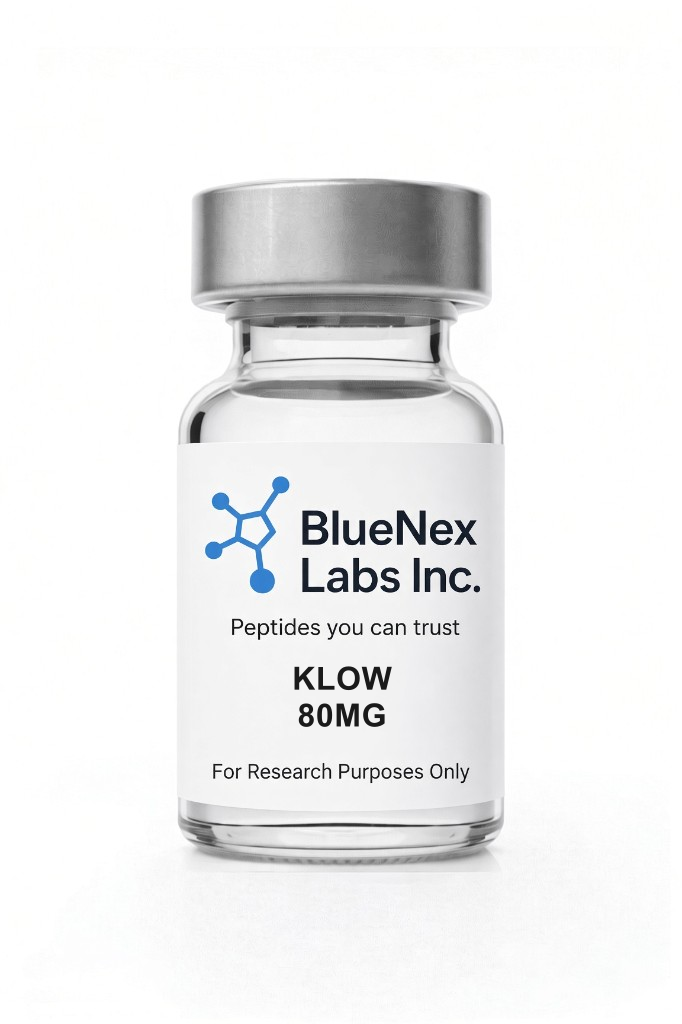
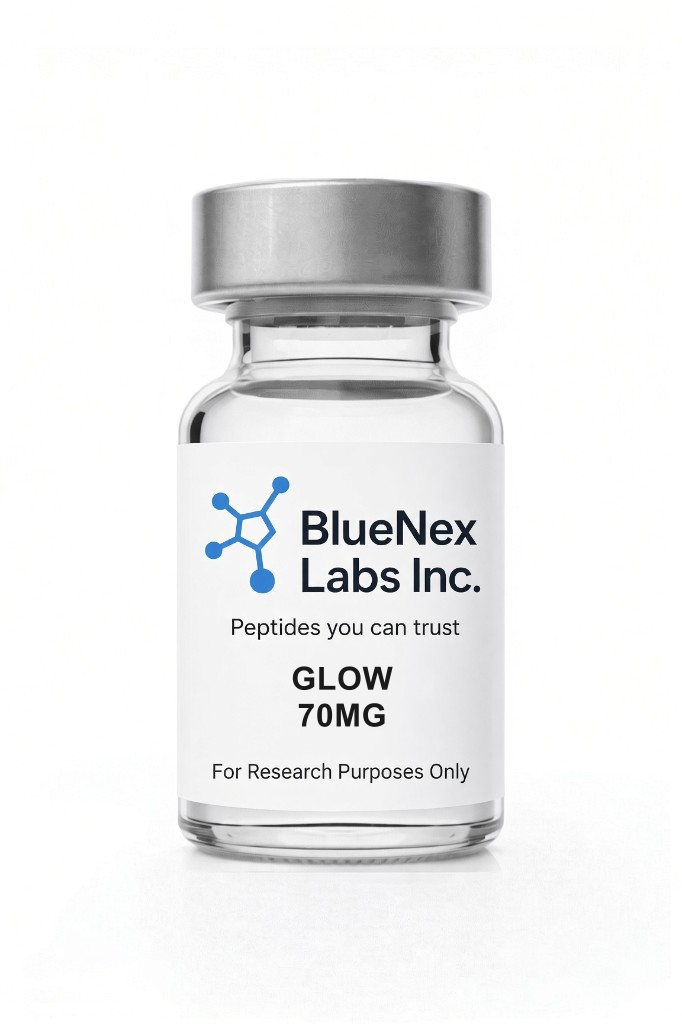
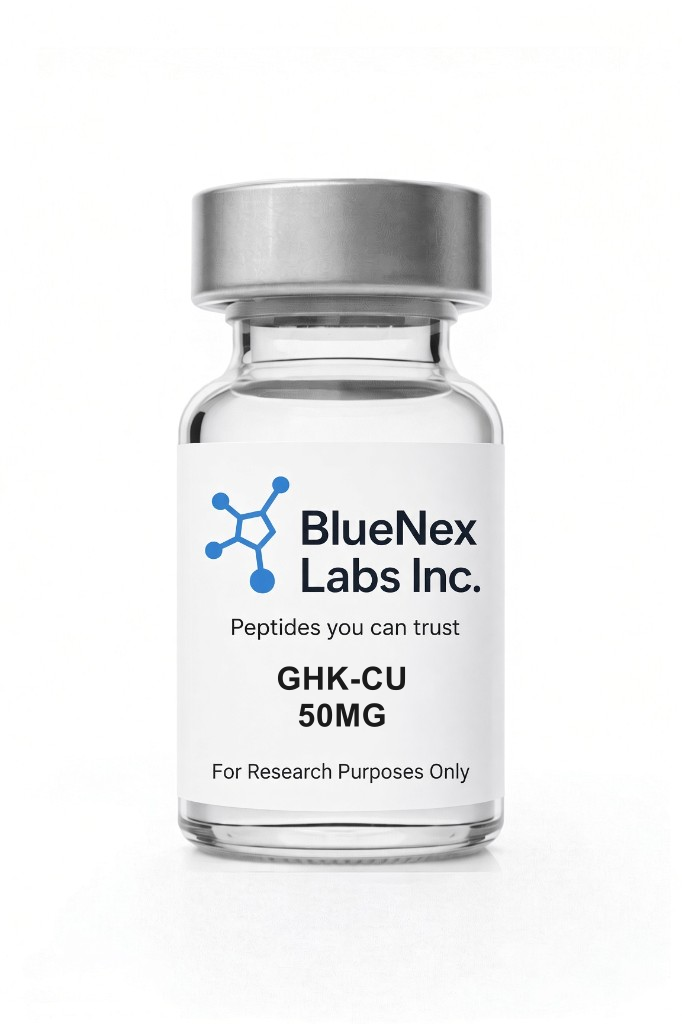
This landing covers cellular and biological research materials such as BPC-157, GHK-Cu, TB-500 fragments, GLOW/KLOW blends, and related lyophilized peptides. The H1 names the category, not a single vial size. Mechanism notes, structure summaries, and literature context belong on compound research guides (for example What is GHK-Cu? and What is BPC-157?). Batch HPLC/MS reports belong on /certificates with product anchors. Each product card keeps RUO labeling. Research-use only. No dosing or consumer-use guidance is provided. Ships domestically in Canada after Interac checkout.
Research-use only. Not for human or veterinary use. Browse the full catalog · View COA library · Contact for laboratory procurement questions.
Research categories
Weight Management
Metabolic & Appetite Signaling
Incretin and metabolic pathway research peptides.
Repair & Rejuvenation
Biological & Cellular
Tissue, recovery, and cellular signaling research tools.
Cellular Energy
Cellular Energy & Mitochondrial
Mitochondrial and cellular energy research compounds.
Growth Hormone
Growth Hormone Secretagogues
GHRH analogues and ghrelin-mimetic research peptides.
Cognitive Research
Cognitive & Neuroscience
Neuropeptides used in cognitive and sleep research models.
Other Compounds
Other Research Compounds
Reconstitution supplies and additional laboratory materials.
Vitamin Blends
Vitamin Blends
Vitamin and nutrient blend research materials.
Materials in this group
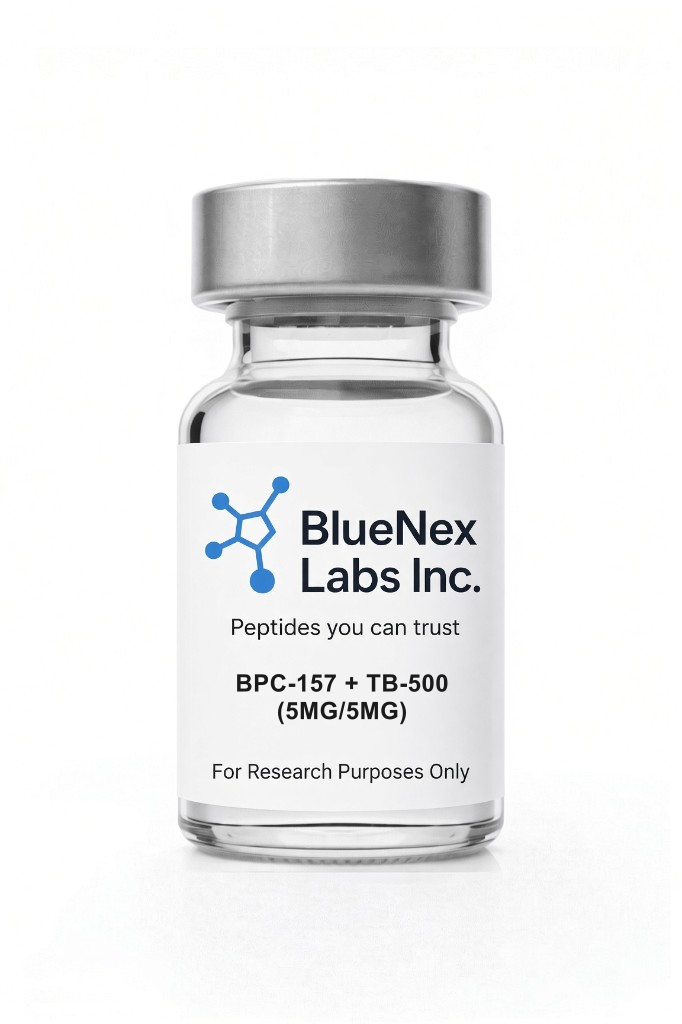
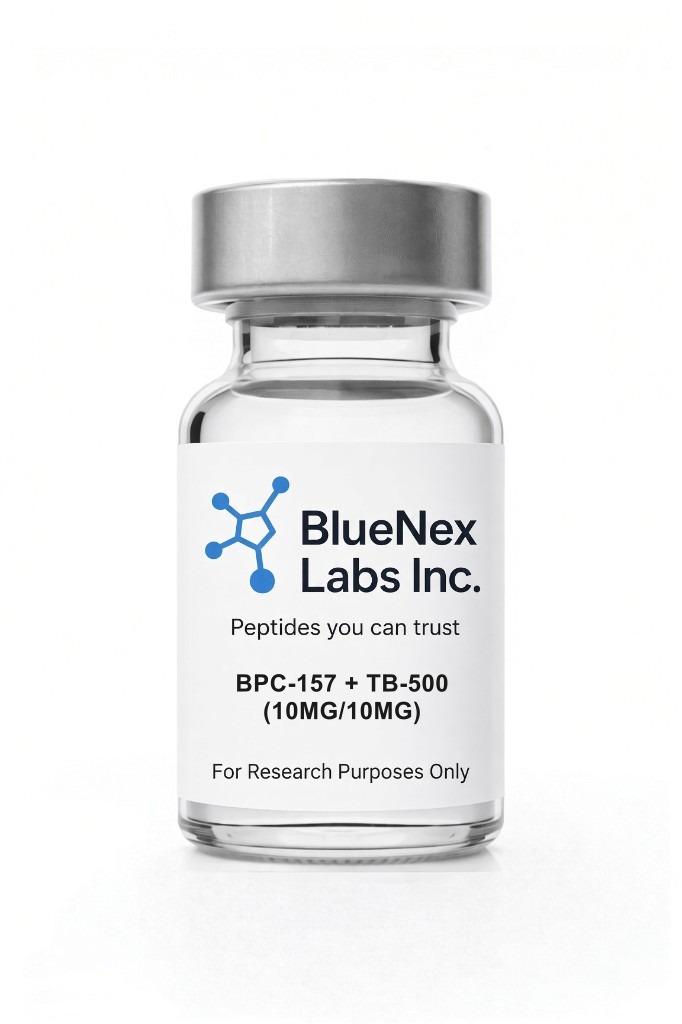
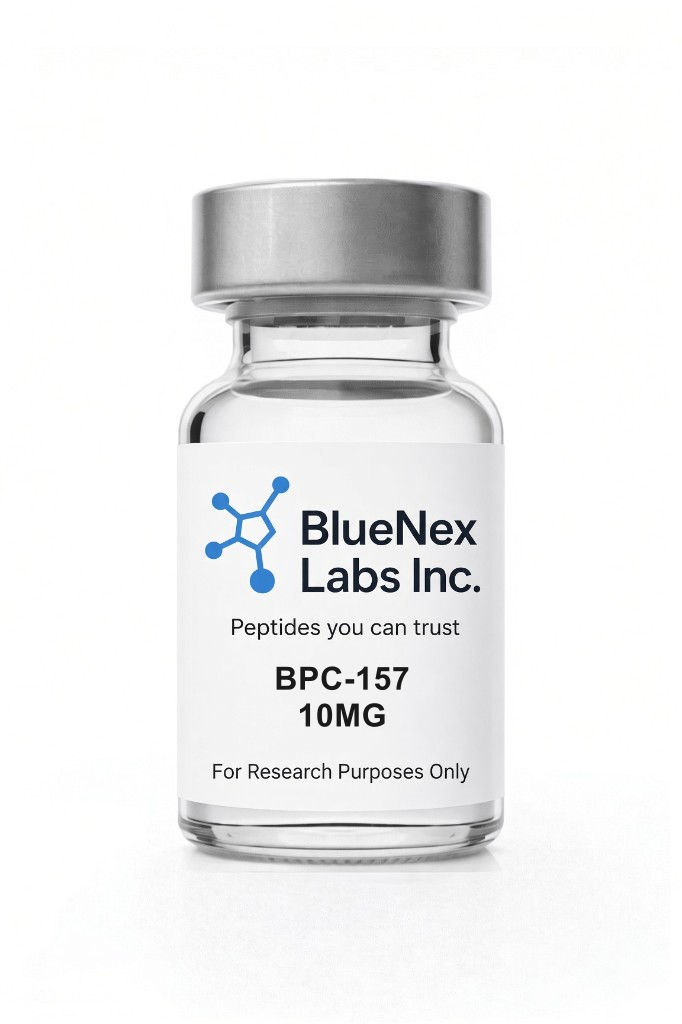
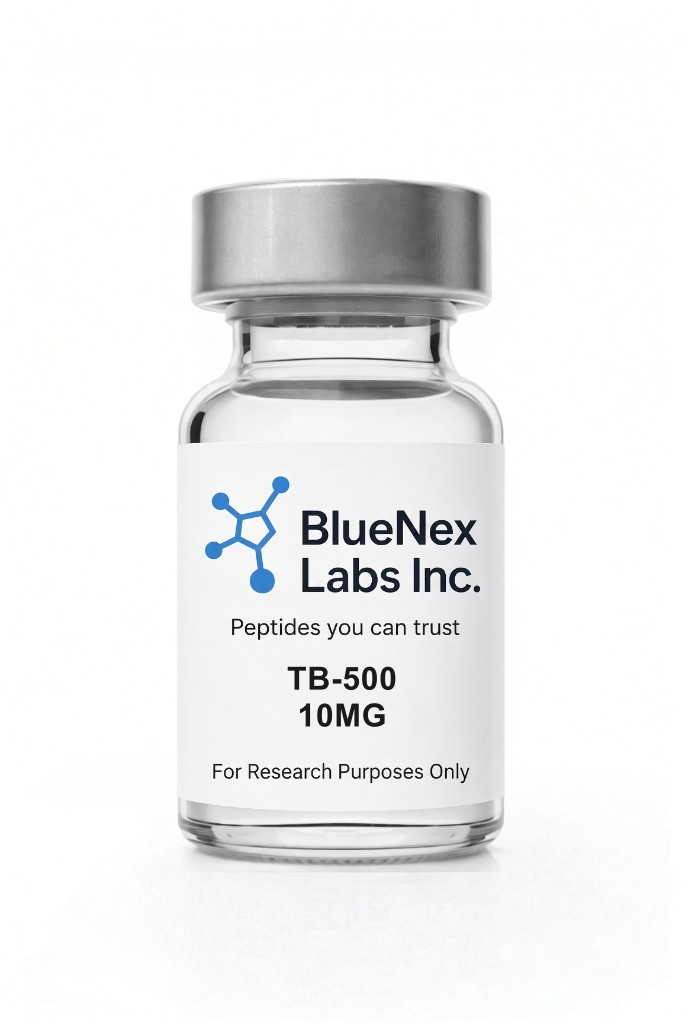
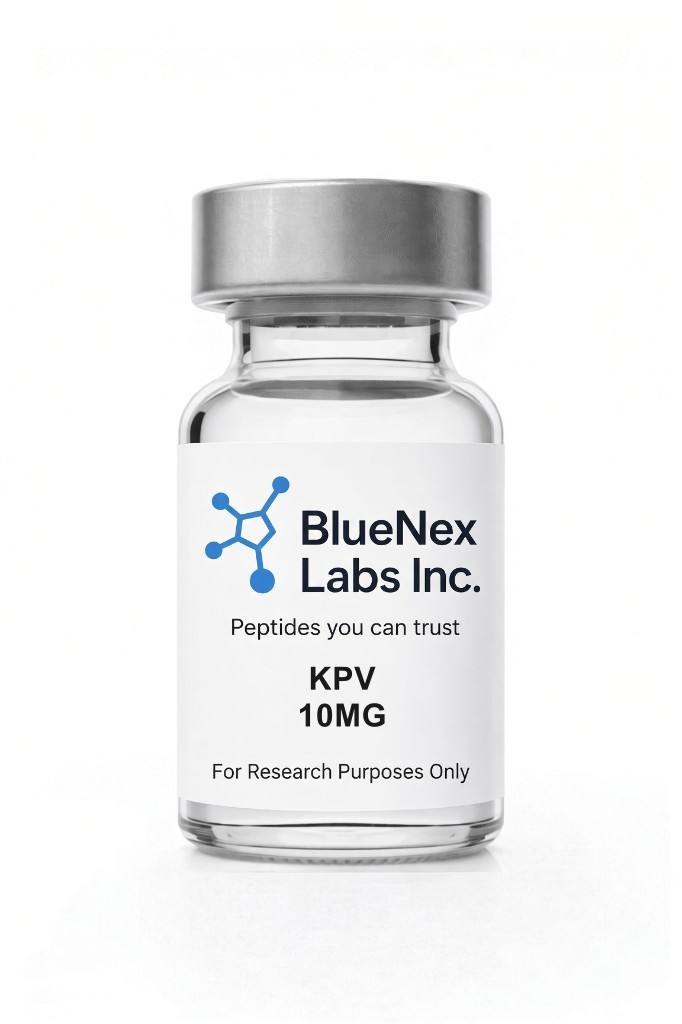
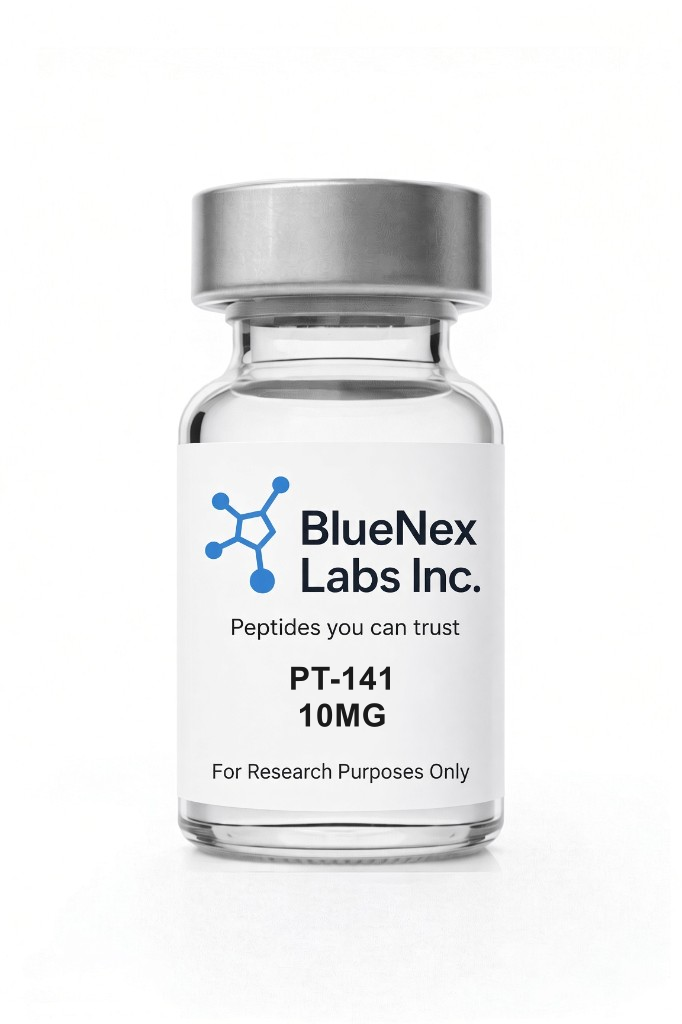
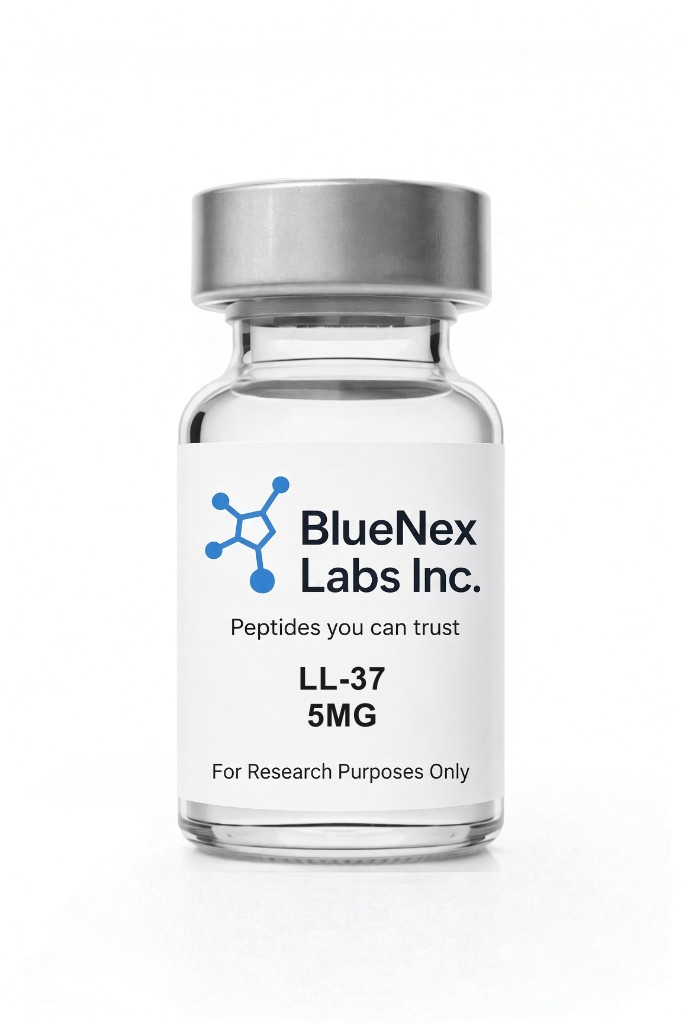

Cellular and tissue-signaling research
Cellular and tissue-signaling peptides are used in vitro to study how short sequences interact with fibroblasts, endothelial cells, gastric-derived models, and other laboratory systems. The catalog heading covers structural copper peptides, gastric pentadecapeptides, thymosin fragments, antimicrobial sequences, and related blends that appear together in the published methods literature.
Researchers typically ask how a sequence binds a receptor or extracellular-matrix protein, whether it changes migration or cytoskeletal markers in a dish, and how stable the lyophilized solid remains after reconstitution for an assay. Those are documentation and experimental-design questions. They are not claims that a vial restores tissue in a person or animal.
BlueNex Labs stocks this group as individual SKUs (for example BPC-157, TB-500, GHK-Cu, KPV, LL-37) and as documented blends such as GLOW and KLOW. Matching Certificates of Analysis, when published, live in the COA library under the same product slug as the shop page so a lab can jump from a vial to the exact Janoshik section.
Orders ship only inside Canada. The public desk is in Burnaby; Canada Post labels use a Port Moody PO Box as the sender. That split is operational, not a second warehouse of different lots. If a SKU is sold out, the card stays listed and checkout refuses the add-to-cart action until stock returns.
Related research notes include BPC-157 laboratory context, GHK-Cu copper-peptide notes, and BPC-157 and TB-500 as a paired research topic. Read them as literature overviews. Catalog blends are inventory SKUs, not protocols.
For handling after the parcel arrives, inspect labels against the COA lot notes, then store lyophilized solids according to the product listing and the peptide storage guide. Moisture and repeated warm-up cycles are the usual laboratory failure modes, not a reason to describe these materials as consumer goods.
Materials in this group are sold for laboratory and in-vitro work. They are not medicines, foods, cosmetics, or veterinary products, and BlueNex Labs does not provide administration guidance. Research-use-only labeling is not a Health Canada authorization.