
Mitochondrial & Energy Research
This shelf groups mitochondrial-derived peptides and cellular-energy reagents for Canadian laboratories. Prices, stock, and milligram fills stay on each shop page. The note below separates mitochondrial sequences from cofactors that share the route because of catalog taxonomy. It is a class hub, not a clinical overview and not a single product page.
Research use only. Not for human or veterinary use.
Materials in this group
Mitochondrial and cellular-energy research
Editorial laboratory context. Price, stock, and SKU come from the catalog cards above, not from this note.
This shelf mixes two kinds of catalogue objects on purpose. Some are peptides discussed as mitochondrial open-reading-frame sequences or as mitochondria-targeted tetrapeptides. Others are cofactors and small-molecule reagents that energy-metabolism protocols name beside those peptides. The split is so a MOTS-c order is not confused with a vitamin B12 order.
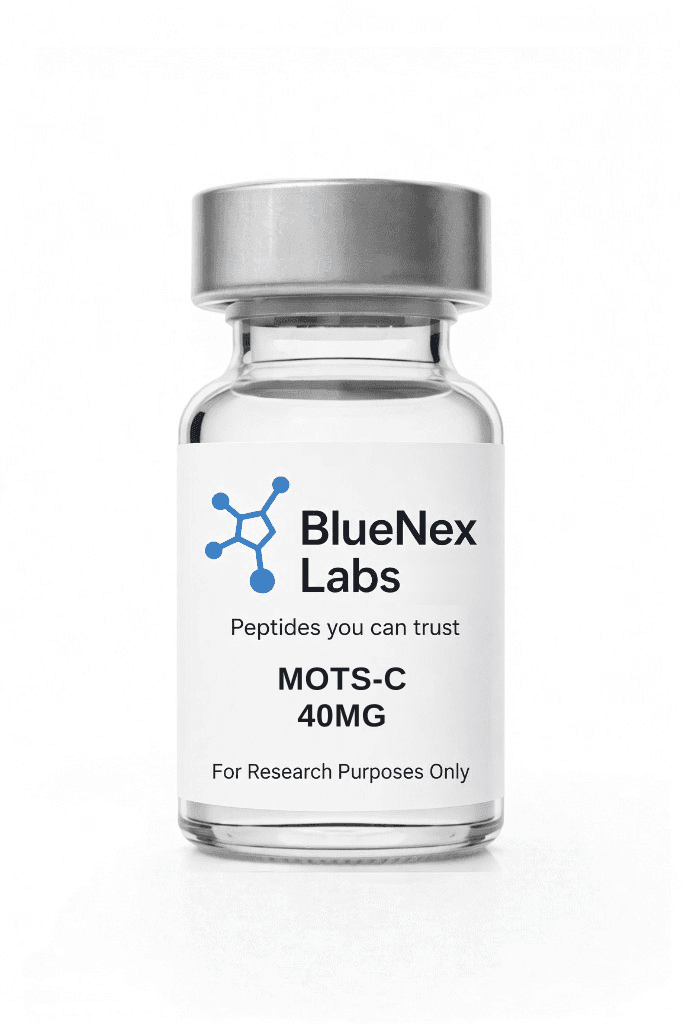
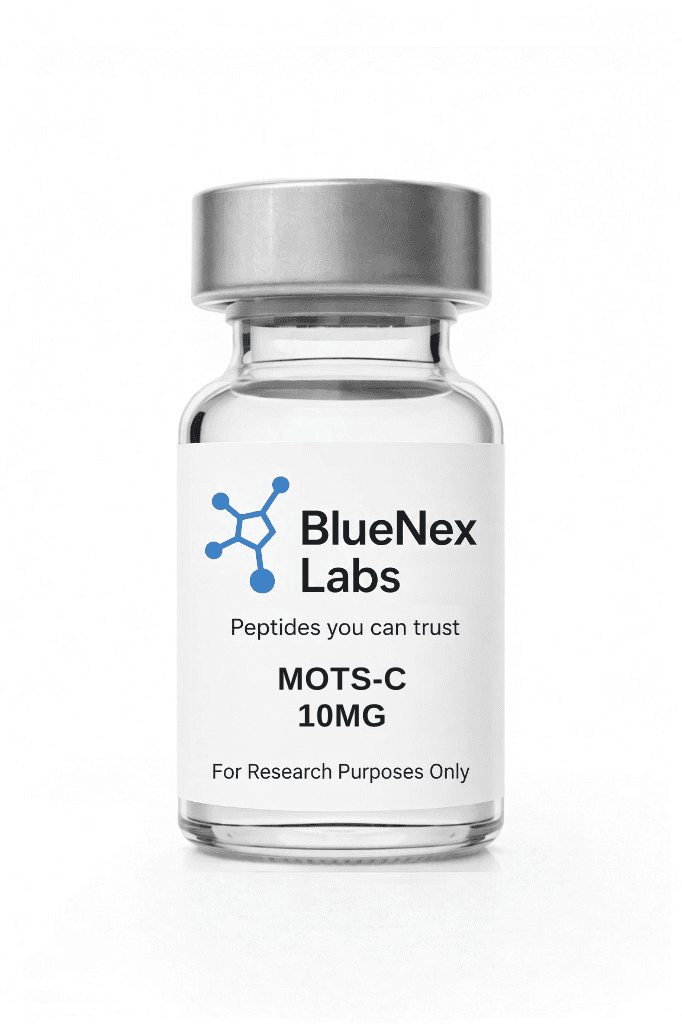
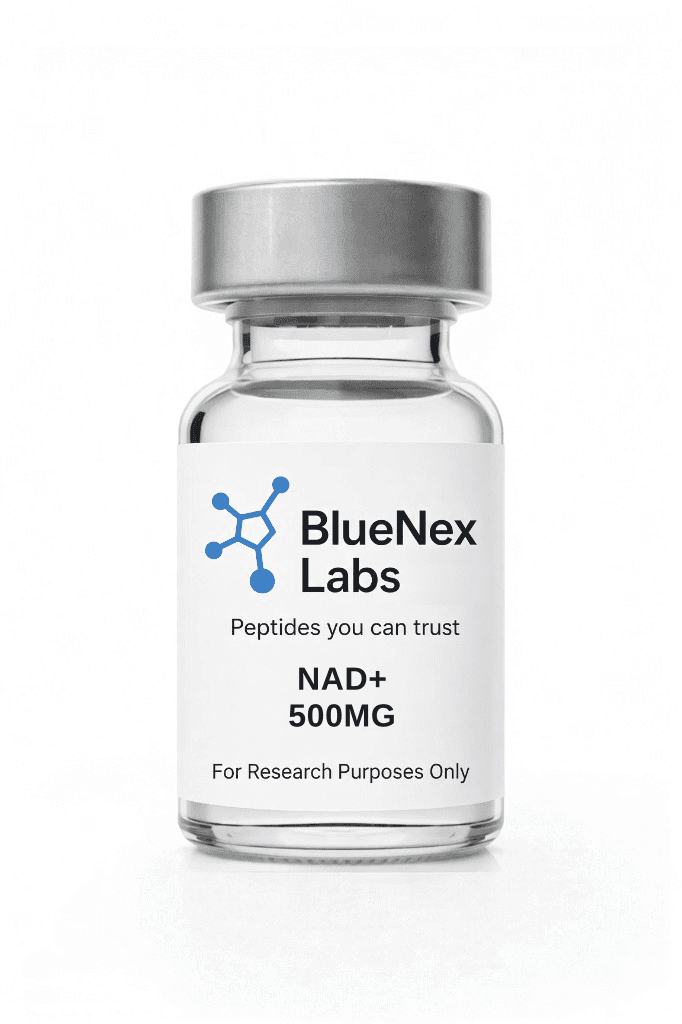
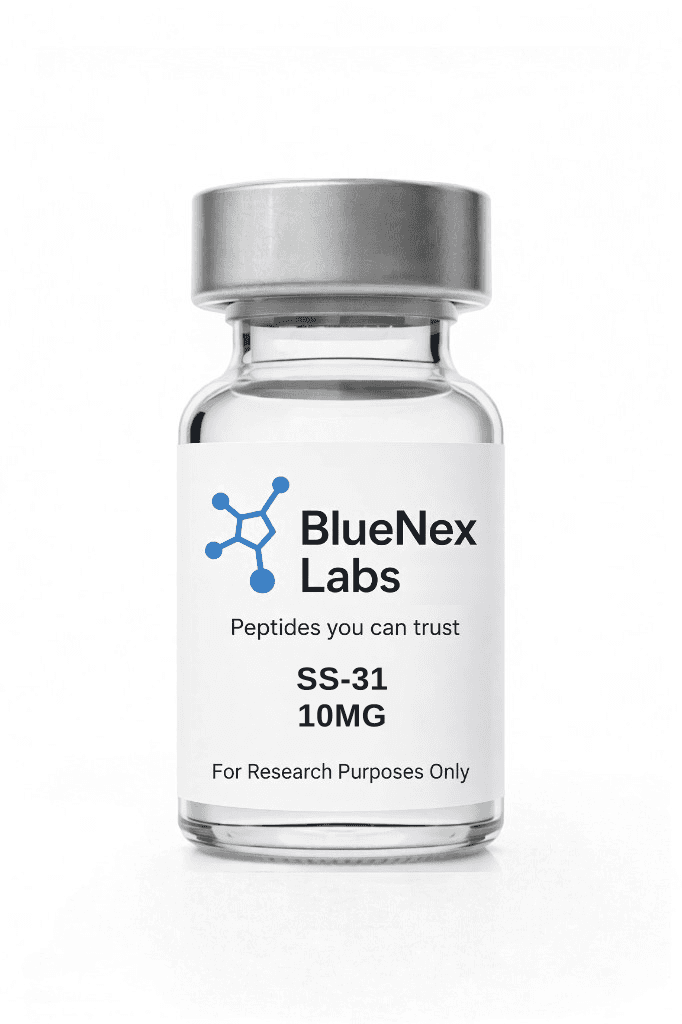
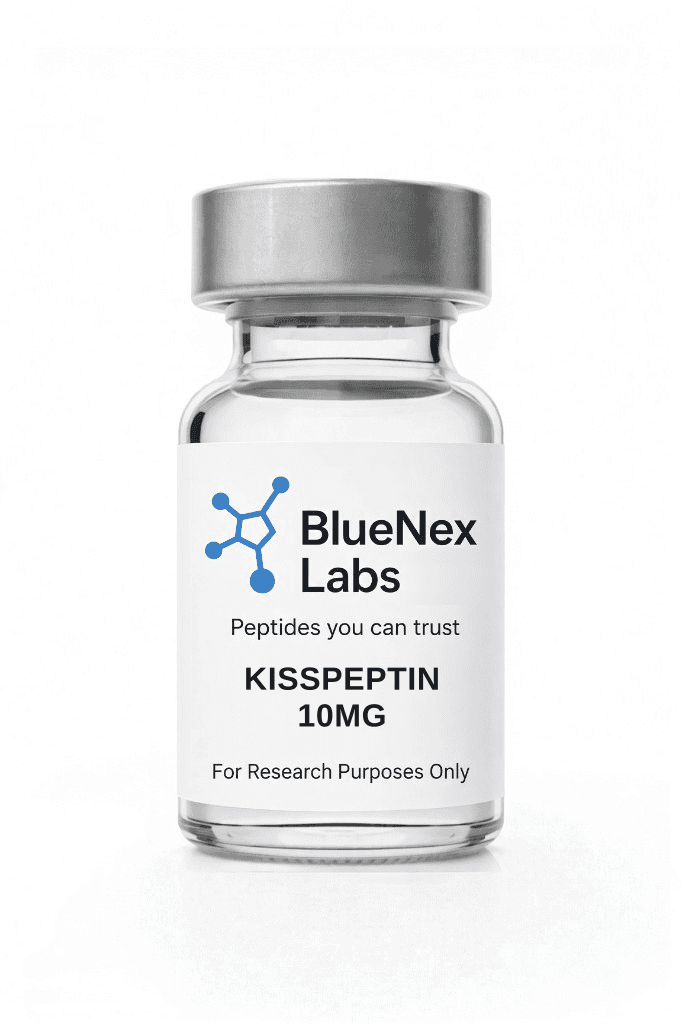
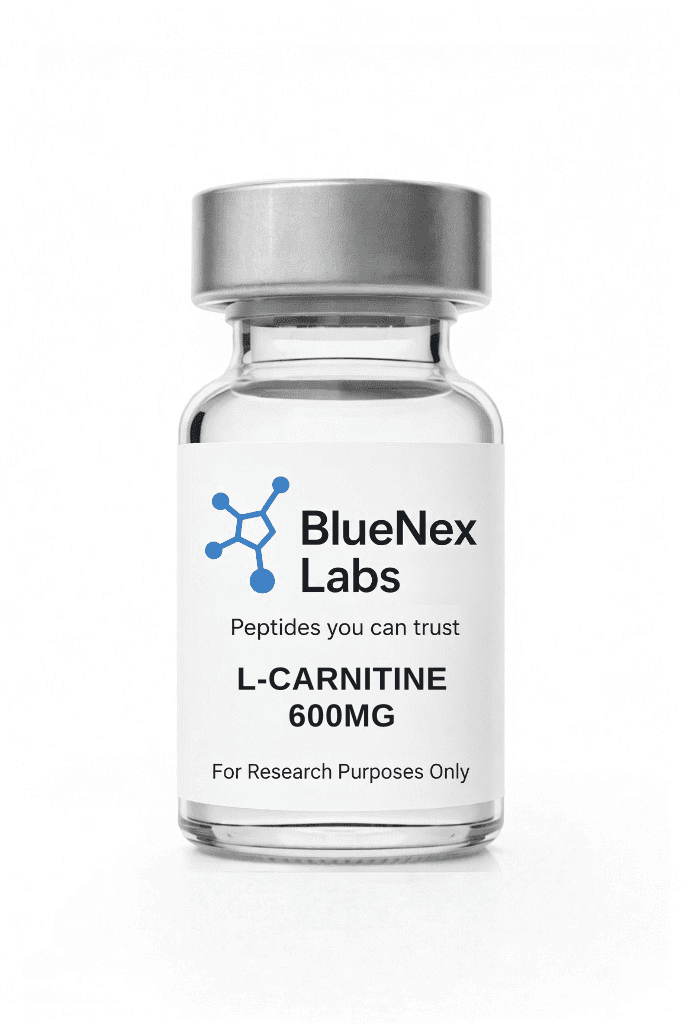
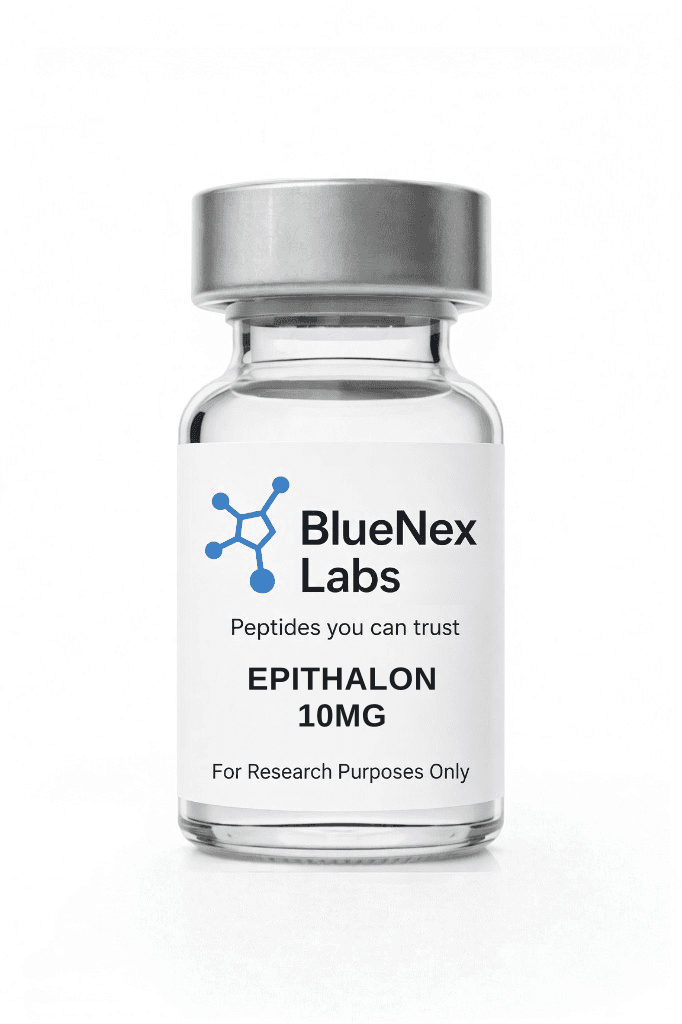
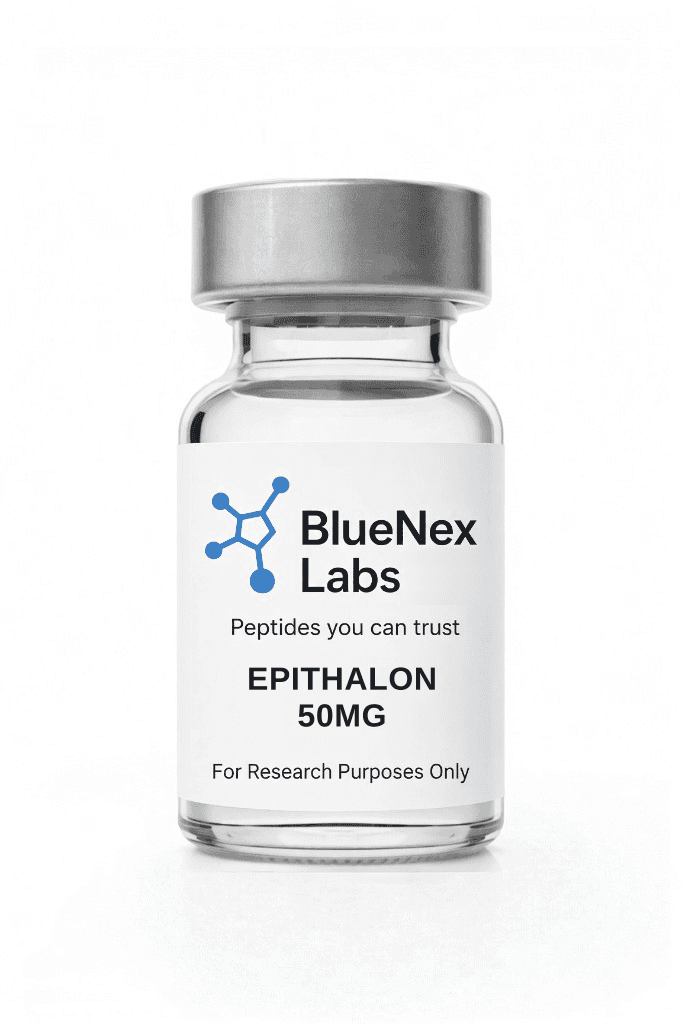
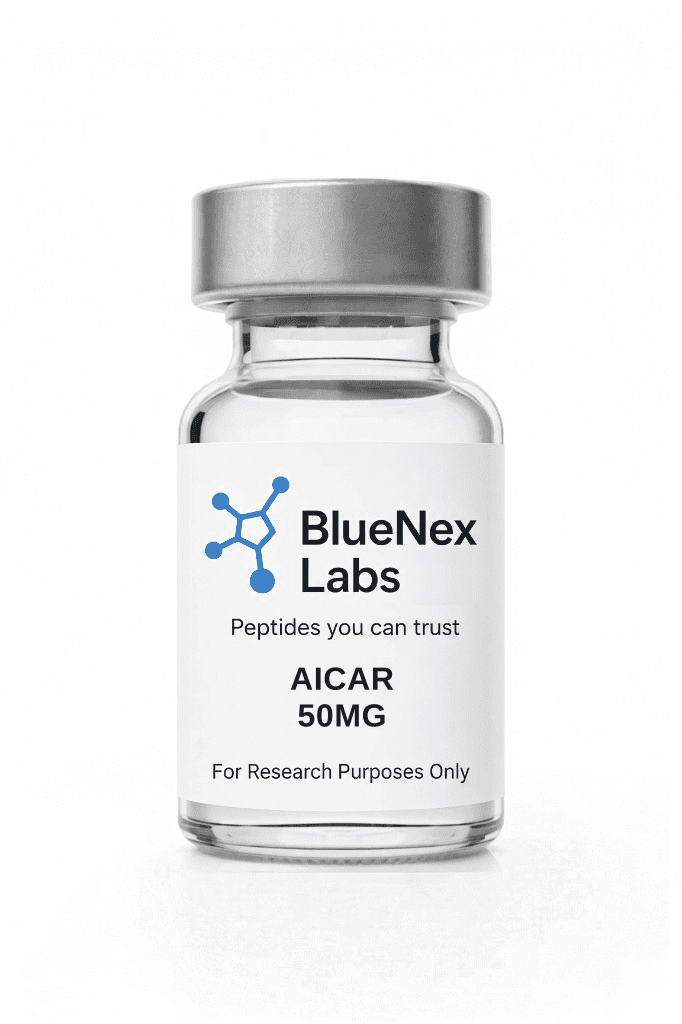
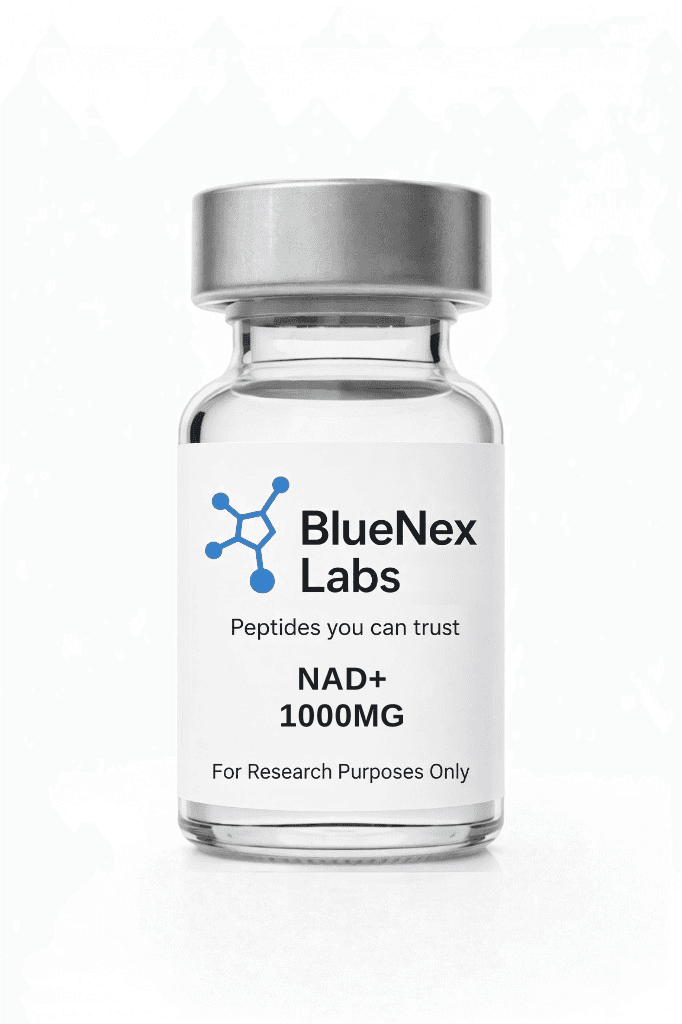
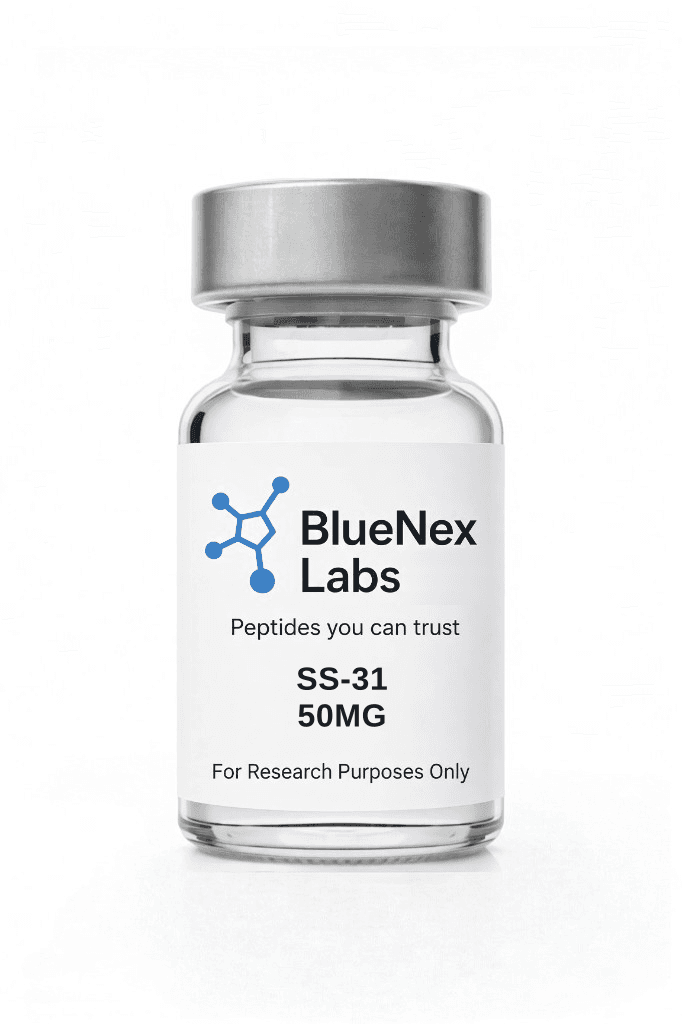
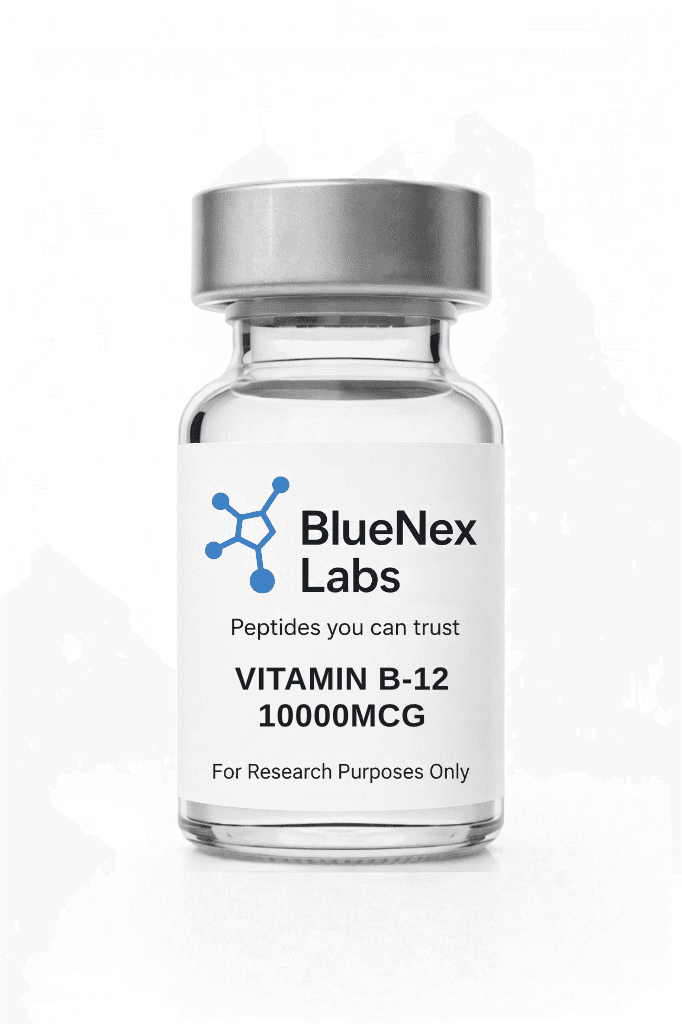
MOTS-c is offered as 10 mg and 40 mg research fills. SS-31 10 mg and SS-31 50 mg are the mitochondria-targeted tetrapeptide fills. Epithalon 10 mg and Epithalon 50 mg are separate tetrapeptide fills. Neither is a mitochondrial open-reading-frame peptide. NAD+ 500 mg and NAD+ 1000 mg are the redox cofactor fills. AICAR is an AMPK-pathway reagent. L-carnitine, vitamin B12, and kisspeptin share the route because of catalogue taxonomy. They are not mitochondrial open-reading-frame peptides.
The MOTS-c research note, the 16-residue laboratory note, and the class overview stay inside laboratory framing. What is SS-31? covers the tetrapeptide. What is Epithalon? is the other tetrapeptide note. NAD+ literature that is easy to confuse with consumer IV marketing is separated in NAD+ in energy-metabolism research.
Papers in this area ask about nuclear transcripts in a cell model or about membrane association in an isolated-membrane experiment. Those are pathway questions in the system the authors ran. They are not a specification on a BlueNex Labs label, and a cofactor lot does not document a peptide lot.
Keep comparator reagents on their own lines in the notebook. A MOTS-c mass result, an NAD+ label, and an AICAR lot number are three records. Kisspeptin gelation, when it is discussed, belongs on the handling note for that sequence. It is not a reason to file kisspeptin as a mitochondrial open-reading-frame peptide. Milligram size stays on the product page. This hub's job is the class.
Research use only. Not for human or veterinary use.
Documentation and lot files
MOTS-c 10 mg and 40 mg are different fills. NAD+ sizes are different fills. SS-31 10 mg and 50 mg are different fills. Epithalon 10 mg and 50 mg are different fills. Start at the MOTS-c library anchor when a report is published, and match the milligrams on the label to the milligrams on the PDF. The Epithalon 10 mg file does not document the 50 mg vial, and that 50 mg listing has no published row. AICAR and the other cards do not use a neighbouring certificate row. If a size has no published link, write that the report is not in the library.
Canada fulfilment
Checkout is Interac e-Transfer, then Canada Post Xpresspost inside Canada. The desk is 4309 Canada Way, Burnaby, BC V5G 1J3. The sender line is a Port Moody PO Box. Shipping is $25.00 flat rate; free on product subtotals of $299.00 or more. Sold-out status is inventory. It does not create a backorder when the cart blocks the add. Keep lyophilized vials dry after receipt. Coastal humidity and a winter parcel are reasons to open the box the same day, not reasons to describe these materials as consumer goods.
Materials in this group are sold for laboratory and in-vitro work. They are not medicines, foods, cosmetics, or veterinary products, and BlueNex Labs does not provide administration guidance. Research-use-only labelling is not a Health Canada authorization.
Questions about this catalogue group
Are NAD+ and MOTS-c the same kind of material?
No. MOTS-c is discussed as a mitochondrial-derived peptide. NAD+ on this shelf is a redox cofactor with its own product URL. A certificate for one does not document the other.
What does research use only mean for cellular-energy reagents?
The listing is for laboratory work. It is not a longevity product, not a food, and not a Health Canada authorization. This page does not give personal-use steps.
How do Canadian laboratories receive this category?
Interac e-Transfer checkout, then Canada Post Xpresspost inside Canada. The desk is in Burnaby. Tracking follows a scan and is not a delivery guarantee.
Research categories
Metabolic Research
Metabolic Research
Incretin and metabolic pathway research peptides.
Cellular & Tissue Research
Cellular & Tissue Research
Tissue-matrix and cellular signalling research materials.
Mitochondrial & Energy Research
Mitochondrial & Energy Research
Mitochondrial and cellular energy research compounds.
Growth Hormone Secretagogues
Growth Hormone Secretagogues
GHRH analogues and ghrelin-mimetic research peptides.
Cognitive & Neuroscience Research
Cognitive & Neuroscience Research
Neuropeptides used in cognitive and sleep research models.
Other Compounds & Lab Supplies
Other Compounds & Lab Supplies
Laboratory diluents and supplies.
Vitamin Blends
Vitamin Blends
Vitamin and nutrient blend research materials.