Research · 2026-05-13
Peptide purity and contamination, Canada
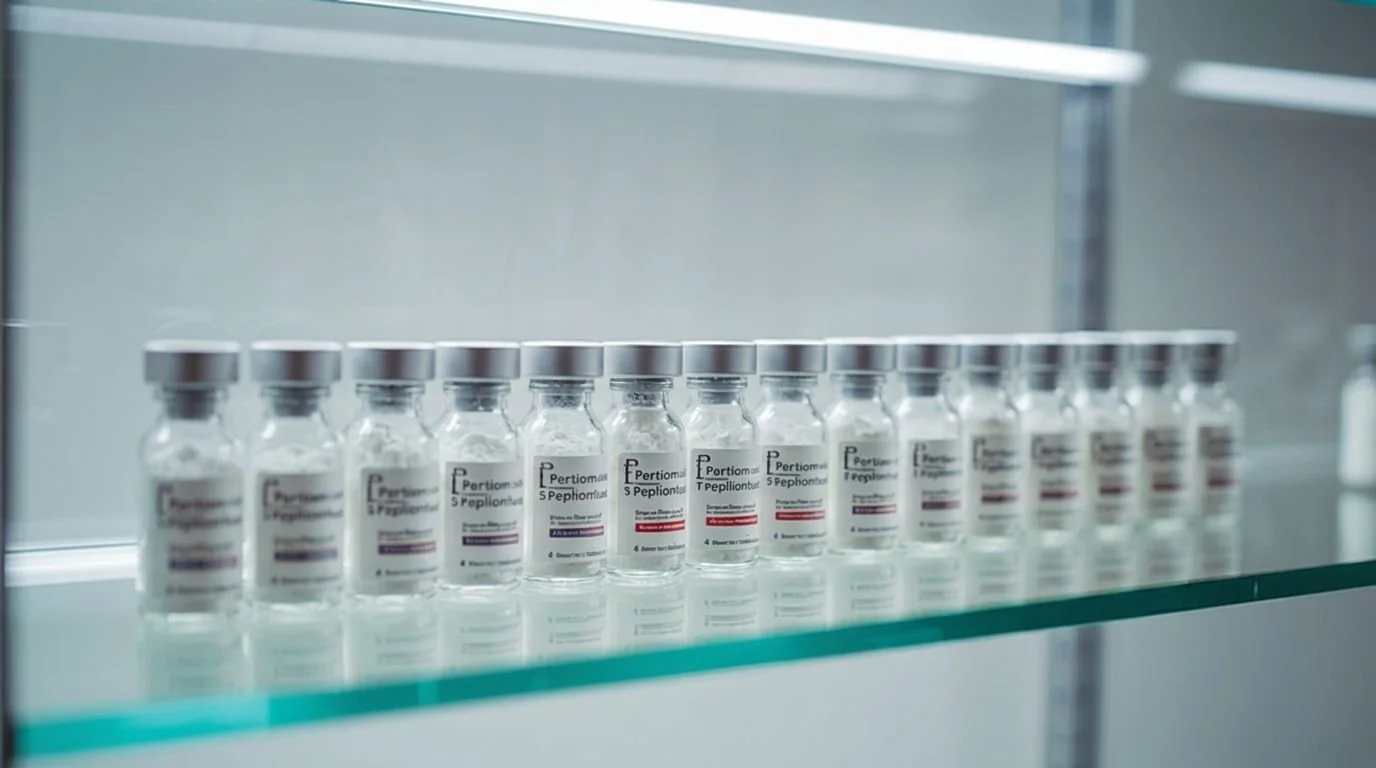
Introduction As interest in research peptides grows across Canada, one issue is becoming increasingly important: product quality and purity. From academic labs to independent researchers, Canadian buyers are paying closer attention to how peptides are produced, tested, and verified —and for good reason. Recent public advisories have highlighted risks associated with unauthorized or improperly manufactured peptide products, including contamination and inconsistent purity levels.
For research applications, quality is everything. In this guide, we break down the key concerns around peptide purity, contamination risks, and how to evaluate suppliers in Canada. 🧪 What “Quality” Means in Research Peptides Not all peptides are created equal. High-quality research peptides should meet strict standards for: ✅ Purity Measured using HPLC (High-Performance Liquid Chromatography) Typical benchmark: ≥98% purity Higher purity = fewer impurities interfering with results ✅ Identity Verification Confirmed using mass spectrometry (MS) Ensures the correct molecular sequence ✅ Batch Consistency Each batch should have: A traceable batch A corresponding Certificate of Analysis (COA) In Canada’s evolving research peptide market, third-party lab verification and transparent COAs have become standard expectations rather than optional extras. ⚠️ The Real Risk: Contamination and Impurities One of the biggest concerns in the Canadian peptide space today is contamination—especially from unverified suppliers.
Health authorities warn that unauthorized peptide products may contain:
Unknown or unlisted ingredients
Incorrect concentrations of active compounds
Solvents, heavy metals, or microbial contaminants
These quality issues arise from:
Poor manufacturing controls
Inadequate storage or handling
Lack of batch testing 👉
Even minor contamination can significantly impact:
Experimental outcomes
Reproducibility Data accuracy 🧬
Why Purity Directly Impacts Research Outcomes
For researchers, peptide integrity is critical. Low-purity or contaminated peptides can lead to: Inconsistent experimental data False positives or misleading signals Reduced reproducibility across trials In many peptide studies, observed effects are already subtle. That means: Even small impurities can distort results and invalidate conclusions.
With increasing scrutiny across the industry, the focus has shifted toward data reliability and reproducibility —both of which depend heavily on peptide quality. 🇨🇦 Canada’s Growing Concern Around Peptide Safety Canadian regulators and researchers are paying closer attention to peptide safety and quality. Recent warnings emphasize that: Many peptide products sold online have not been evaluated for safety, quality, or consistency Some may be improperly manufactured or mislabeled At the same time: The market has expanded rapidly New suppliers have entered the space Demand has increased across multiple peptide categories This combination has made supplier verification and quality control a top priority for Canadian buyers. 🔍 How to Evaluate a Peptide Supplier in Canada To ensure high-quality research materials, consider the following checklist: 1.
Certificate of Analysis (COA) Is a batch-specific COA provided? Does it include:
HPLC purity results
Mass spec confirmation 2.
Third-Party Testing Was the peptide tested by an independent lab? Are results verifiable online? 3. Transparent Labeling Clear batch numbers Storage recommendations Proper research-use designation 4.
Research-Use-Only (RUO) Compliance No therapeutic claims No usage instructions for humans 5.
Shipping & Handling
Proper packaging (lyophilized format where applicable) Stable delivery conditions 👉 Canadian researchers increasingly prioritize verified, domestic suppliers with consistent documentation and fast fulfillment. 🧊 Storage and Handling Also Affect Quality Even high-quality peptides can degrade if mishandled. Key factors influencing stability: Temperature exposure Moisture Light Time after reconstitution Improper storage can: Reduce peptide stability Introduce degradation byproducts Alter experimental results That’s why quality isn’t just about manufacturing—it extends to storage and handling practices as well. ✅ Why BlueNexLabs Focuses on Quality First At BlueNexLabs, we prioritize: High-purity research peptides Batch-specific Certificates of Analysis Strict quality control standards Clear research-use-only positioning Our goal is to support researchers across Canada with reliable, traceable, and consistently tested materials. 📌 Final Thoughts As the Canadian peptide market continues to grow, quality and purity are no longer optional—they are essential.
With increasing regulatory scrutiny and rising awareness of contamination risks, the focus is shifting toward: transparency testing and verifiable quality For researchers, choosing the right supplier can make the difference between: reliable results and compromised data
Research-use only. BlueNex Labs does not provide medical or veterinary advice. Confirm your institution’s policies before purchase.